DeKalb County falls short of reproductive funding promises
One year after Dekalb County was named the first in Georgia to allocate money toward reproductive care, ARC-Southeast has yet to receive the $50,000 it was promised.
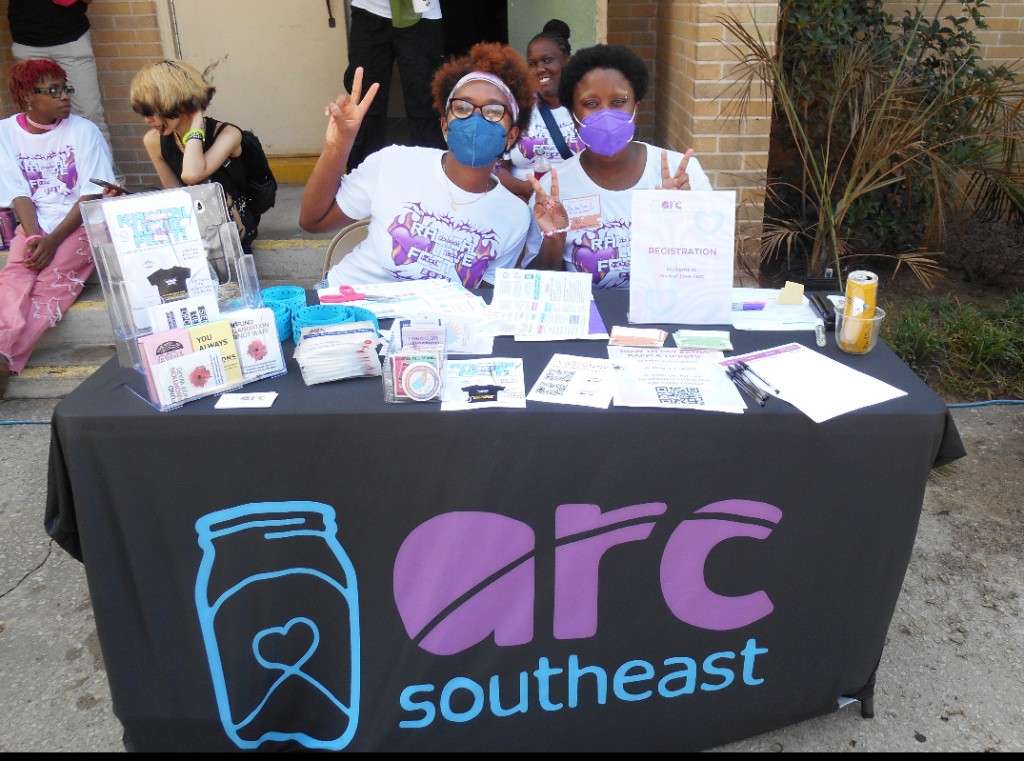
Laying off staff and pausing several programs was a last resort for Access Reproductive Care (ARC)-Southeast, announcing in a recent Instagram post that declining donor interest has severely impacted its budget and ability to operate.
ARC-Southeast has since revealed that another factor may have played a major role in its monetary constraints: the organization never received the $50,000 of funding DeKalb County promised nearly one year ago. DeKalb officials celebrated the title of being the first county in Georgia to allocate money toward reproductive care.
“Some of the specific commissioners made a very big deal about getting press releases out very quickly, making sure to claim such a victory and celebrate it, but they had none of the same energy to follow through and make sure we receive those funds,” said Musa Springer, ARC-Southeast’s media & communications manager.
Initially approved on Aug. 26, 2025, the funding was a part of a larger donation of $200,000, which was split with the Feminist Center for Reproductive Liberation.
Super District 6 Commissioner Ted Terry championed the benefaction with the intention of supporting the organizations’ deliverance of women’s healthcare, family planning services, and free Plan B; however, ARC-Southeast Co-Executive Director Angel Whaley shared in an interview that a multitude of hurdles prevented the organization’s collection of the donation.
Whaley explained that ARC-Southeast not being a registered DeKalb County vendor was the first set back. The registration process required several verification requirements, such as a contractor’s affidavit and certificate of insurance. She said the team had not been made aware of these requirements until late in the process.
To add to the difficulty of the process, the ATL Department of City Planning system did not recognize ARC-Southeast’s address on its zoning application, as the street in which its working space is located holds only a commemorative name, not an official one. Thus, the organization was unable to obtain a zoning certificate, which DeKalb requires for donations.
“It has been hard for us to get the funds that Georgians need—that folks that live in DeKalb and in Metro Atlanta need—simply from this online mapping system not picking up the correct address,” Whaley said.
DeKalb’s donation may still be completed, official says
Terry was relatively certainty that ARC-Southeast will receive its funding, though he acknowledged that it is no longer up to the commissioners to facilitate the transfer but rather the purchasing department.
“The purchasing department has to get certain things signed, notarized, and affidavits, and you know, unfortunately, some vendors have found that to be very hard,” Terry told ACPC. “We’ve had several that have struggled just through the Dekalb system. I guess we’re special, and we have extra hoops that you have to jump through that others don’t have to, unfortunately.”
Terry explained further that if the money is not delivered by the end of 2026, it will be put back into the budget for the second year in a row.
“When we approved [the funding] last year, we were told that it wouldn’t be a problem and it would get expedited,” Terry said. “I’m definitely trying to push the administration over here to find a way to get through those issues and get the funding because it’s really needed.”
Whaley, however, expressed doubt that ARC–Southeast will ever receive the money due to the amount of time since the resolution was passed and the likelihood that the team will have to start the application process over from scratch.
“There’s just not a lot of leeway,” Whaley said, “and so, unfortunately, I don’t know if we will ever get the $50,000 to be able to purchase the Plan B to be able to help the folks that we serve.”
No paywall. No corporate sponsors. No corporate ownership.
Help keep it that way by becoming a monthly donor today.
Free news isn't cheap to make.
Author

Related Articles
‘It seemed like every town in America had something going on’: Week of Action against Flock and ALPRs gets people engaged
As protests spread nationwide, Atlanta-based Flock Safety grapples with backlash over surveillance technology and growing privacy concerns.
Popsicles and the FBI: Organizers launching week of action against Flock and ALPRs
From Aug. 16 to Aug. 22 organizers, both new and experienced, are holding events across the country for the National Week of Action Against Automated License Plate Readers.

