Voting in Georgia? Here’s what you need to know for the Nov. 3 election
A step-by-step walkthrough of how to vote in the Nov. 3, 2026, General Election in Georgia
Early voting begins on Oct. 13 for the Nov. 3 midterm election, which covers federal races including a US Senate seat and congressional seats, as well as statewide races from the governor to labor commissioner, along with legislative races and county-level offices.
If you’ve taken a look at your sample ballot, you might be a little overwhelmed by all the candidates.
This voting guide will tell you what each office does, and who is running.
Let’s walk through it from top to bottom.
Are you registered to vote?
Click on this link to the Secretary of State’s My Voter Page. Is your voter registration active?
If yes, read on. If not, unfortunately, the voter registration deadline for the Nov. 3 election has passed.
You have until Nov. 2 to register to vote for the Dec. 1 runoff.
Make a voting plan
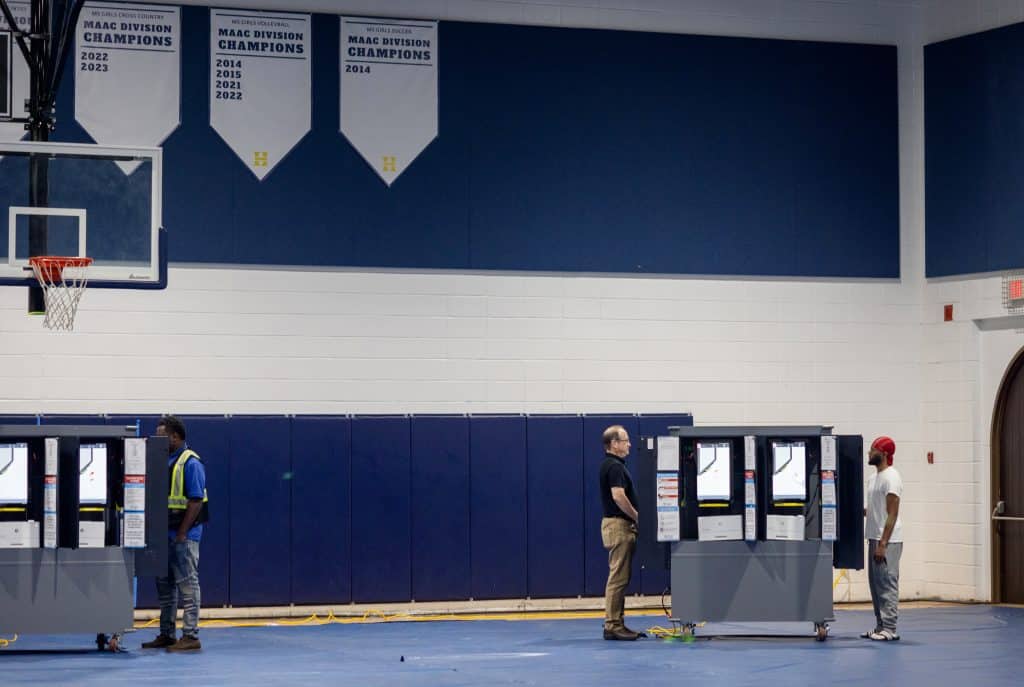
Do you want to vote early? You’ve got from Oct. 13 to Oct. 30. Check the Secretary of State’s My Voter Page to find your county’s advance voting locations. You can vote at any of them—but for election day on Nov. 3, you must vote at your assigned polling place.
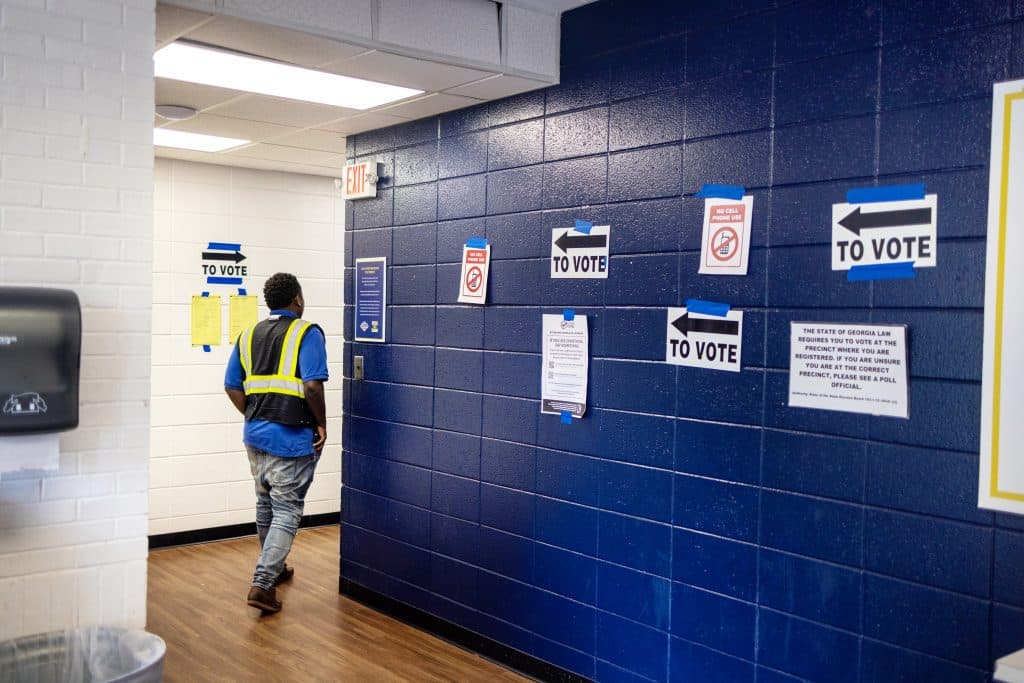
To vote, you must bring a state-issued or federal photo identification to your poll. Remember, you can’t use your phone in the polling place, but you’re allowed to bring a cheat sheet, such as a print-out of your sample ballot. That is also available at the My Voter Page.
If you wish to vote absentee, by mail, the last day to request an absentee ballot is Oct. 23. You must do this at your county elections office. For more information, see this guide from the Secretary of State’s office. Keep in mind that mail-in ballots must be received by 7 p.m. on Election Day. Be sure to mail your ballot well in advance of Election Day to ensure your vote is counted. You can also hand-deliver your ballot to your county election office.
What’s on your ballot?
Federal Races
US Senate: The 100 US Senators—two from each state—decide the federal budget and make laws, in tandem with the US House of Representatives. Senators also vote on the president’s cabinet and federal judiciary picks. They are elected to staggered 6-year terms.
Democratic Sen. Jon Ossoff is the only Georgia senator up for election this year. He faces Republican Congressman Mike Collins.
US House of Representatives: Your congressperson represents you and the roughly 760,000 other people in your congressional district in Washington DC. These lawmakers work with the US Senate to set the federal budget and pass national laws. Congress also oversees the executive branch, which includes the president, his cabinet, and federal agencies. Georgia has 14 congressional districts, each of which is up for election this year.
Statewide Races
Governor: As the leader of Georgia’s executive branch, the governor sets the state budget every year, subject to approval by the state legislature, and signs or vetoes bills passed by the legislature. They can also call special legislative sessions outside of the regular 40-day legislative session that runs from January to April.
Democrat Keisha Lance Bottoms, the former mayor of Atlanta, faces Republican Rick Jackson, a billionaire healthcare business owner.
Lieutenant Governor: As the state’s No. 2 leader, the lieutenant governor takes on the governor’s role if the governor is out of state or incapacitated. Their core responsibility is to preside over the state senate during the annual legislative session, which means they decide which bills make it to the senate floor for a vote.
Democratic state Sen. Josh McLaurin of Sandy Springs faces GOP state Sen. Greg Dolezal of Cumming.
Secretary of State: As the state’s top election official, the secretary of state manages the state’s voting systems, election security and voter registration, in coordination with all 159 county elections offices.
The Georgia Secretary of State’s Office also oversees business registrations and professional licensing, and it investigates investment fraud.
Democratic nominee Penny Brown Reynolds, a former Fulton County State Court judge and TV personality, faces Republican state Rep. Timothy Fleming of Covington.
Attorney General: As the state’s top legal officer, the attorney general defends the state government from lawsuits in state and federal courts, which includes challenges to Georgia laws. The attorney general enforces statewide consumer protection laws and can also prosecute crimes like human trafficking, public corruption, and Medicaid fraud.
State Rep. Tanya Miller of Atlanta is the Democratic nominee; she will face GOP state Sen. Brian Stickland of McDonough.
Agriculture Commissioner: As the head of the Georgia Department of Agriculture, the agriculture commissioner ensures food safety and inspects fuel pumps. They also regulate and promote Georgia’s farming and timber industry—one of the nation’s largest, with $14.6 billion in sales.
Democrat Katherine Juhan-Arnold, a farmer, is challenging incumbent Tyler Harper.
Insurance Commissioner: Their job is to regulate and set rates for the Georgia insurance industry. They also investigate insurance fraud and serve as the state’s top fire marshal.
Keisha Sean Waites, a former state representative and Atlanta City Council member, won the Democratic primary to take on Republican incumbent John King.
State School Superintendent: As the head of the Georgia Department of Education, the state school superintendent manages the state’s K-12 public education system, oversees how state funding is allocated to school districts, and enforces education laws.
Lydia Powell, an educator, is the Democratic nominee to take on Republican incumbent Richard Woods.
Labor Commissioner: Heads the Georgia Department of Labor, which manages unemployment payments and offers job programs and employment services for job-seekers and businesses. The department is also responsible for compliance with child labor laws and general employment standards.
Nikki Porcher, an entrepreneur, won the Democratic primary. She takes on Gov. Brian Kemp’s appointee Barbara Rivera Holmes.
Public Service Commission (PSC): This five-member commission regulates Georgia Power and other statewide utilities, which includes setting rates. Candidates must live in their district, but the election for each commissioner is held statewide.
PSC District 3: Democratic incumbent Peter Hubbard faces a rematch with Republican Fitz Johnson, whom he ousted in a special election last year.
PSC District 5: Shelia Edwards won a three-way primary for the Democratic nomination. She faces Republican nominee Josh Tolbert, an engineer.
Local Races
Georgia Legislature: All of Georgia’s 56 state senators and 180 state representatives are up for reelection this year. The legislature’s core responsibilities include approving the state budget, passing laws and resolutions, holding hearings on legislative issues and deciding on proposed amendments to the Georgia Constitution.
County-level offices: Depending on where you live, you may or may not have county-level offices to vote for, such as county commissioner, school board, or soil and water conservation district supervisor or solicitor general.
Here’s a rundown of competitive metro Atlanta races this year.
Ballot questions, tax referenda and constitutional amendments
Counties and cities will put tax questions to voters, such as a penny sales tax to improve infrastructure. They can also put local laws to a vote.
There are also three state constitutional amendments on the ballot this year. The Columbus Times broke them down in plain English.
No paywall. No corporate sponsors. No corporate ownership.
Help keep it that way by becoming a monthly donor today.
Free news isn't cheap to make.
Related Articles
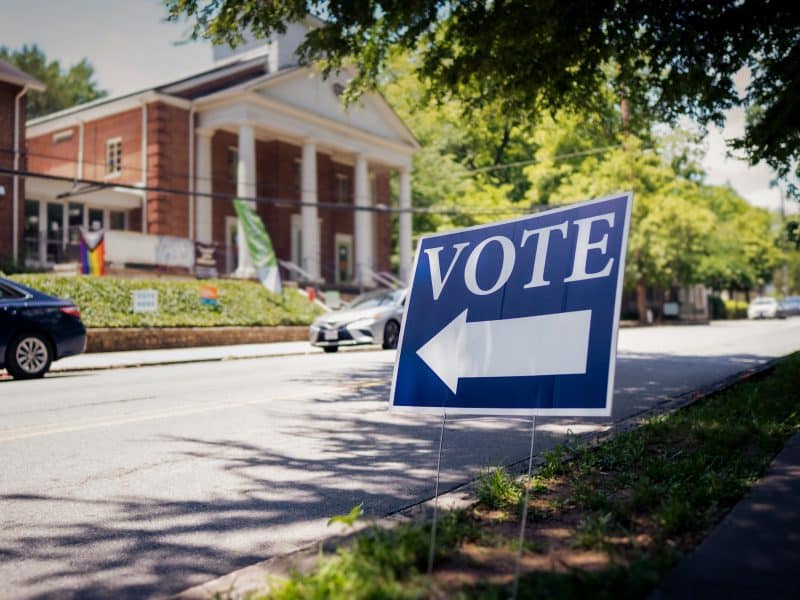
2026 Midterms: Metro Atlanta’s local races to watch
These are the competitive downballot races ACPC is watching in the 2026 election.
‘It seemed like every town in America had something going on’: Week of Action against Flock and ALPRs gets people engaged
As protests spread nationwide, Atlanta-based Flock Safety grapples with backlash over surveillance technology and growing privacy concerns.