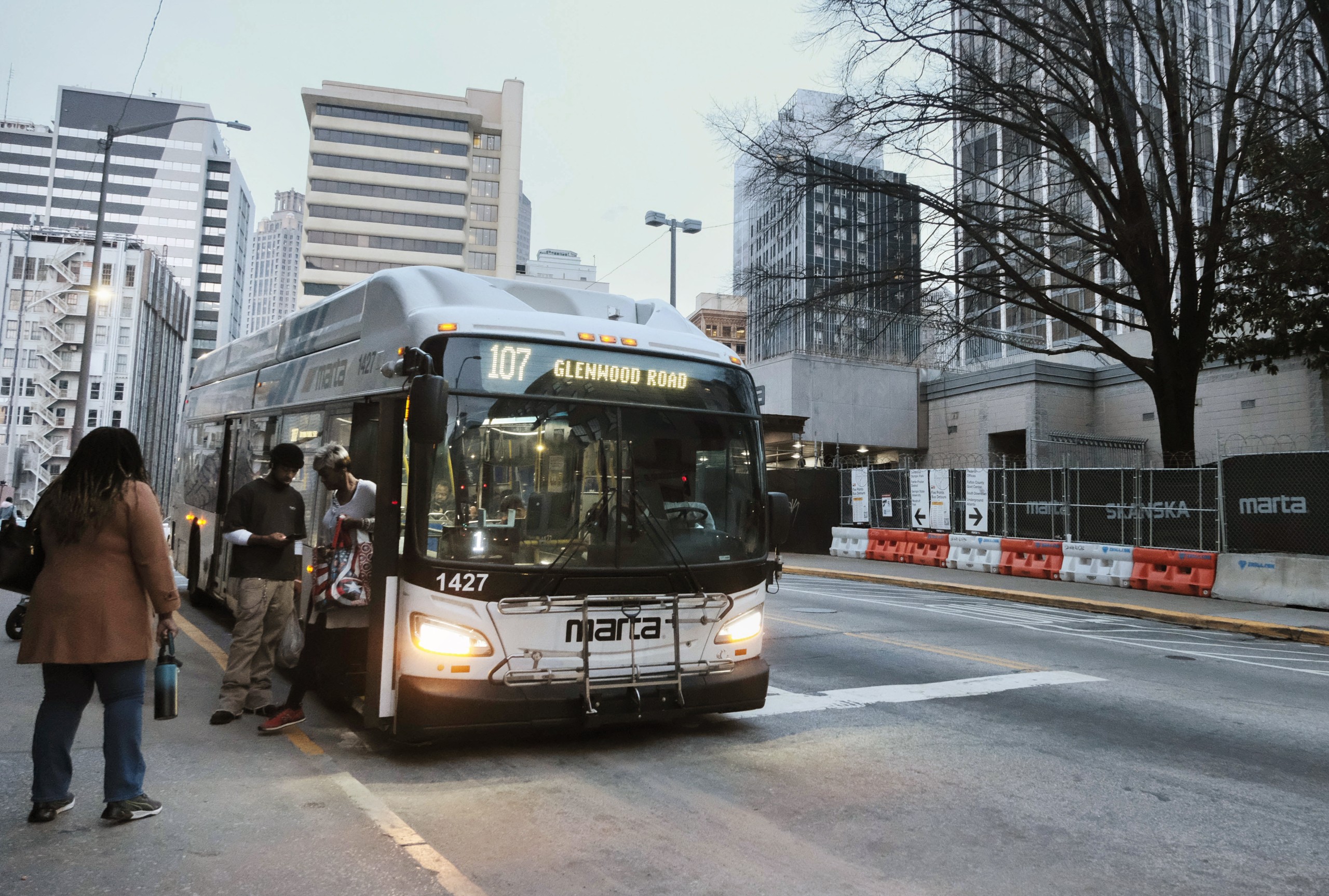
Atlanta voted for More MARTA. A decade later, there isn’t much ‘more’ about it
I keep remembering a conversation with an Uber driver from Vine City. In my neighborhood, who controls information controls the people, he told me. Without information, are we voting in the name of reinvesting for equity, or pulling public education away from kids? His words lingered. What kind of city do we live in when the promise of connection turns into control?
In 2016, Atlanta voters approved the More MARTA half-penny sales tax referendum. They had clear expectations: expanded transit, rail along the Beltline, new streetcar extensions and a faster capital delivery project. But nearly a decade later—and with almost no major capital project completed—the city’s transit expansion has been stalled, delayed or secretly reprioritized without clear public explanation.
Of all the 17 transit expansion projects in More MARTA, the Summerhill Bus Rapid Transit line and the NextGen Bus Network are the only ones near completion. Both are scheduled to launch April 16.
Changing mayoral priorities played a role in delays, former council president says
According to former Atlanta City Council president Doug Shipman, the roots of the delay go back to how the program evolved.
“There was an initial project list… that included things like Eastside Beltline rail, Clifton Corridor rail, Campbellton Road rail,” he said. “And then once it passed, that list started to be refined… basically, they started projections on how much money they think they would get.”
Shipman said each administration since 2016 has reshaped priorities. “Each of those administrations has changed the project list, the priority list, the modes of transportation,” he said. “When you’re in a transportation project situation, you need long-term commitments.” Without that consistency, he added, costs rise and timelines stretch. “We basically started collecting money in 2017, and we’re now nine years later and no projects are finished from the list. None.”
One of More MARTA’s most visible casualties has been the Streetcar East Extension, a project intended to extend Atlanta’s streetcar along the Eastside Beltline Trail.

According to MARTA spokesperson Stephany Fisher, the agency has spent $9.1 million on planning and design for the Streetcar East Extension. But in March 2025, Mayor Andre Dickens withdrew his support for the Streetcar East Extension—something he had previously stated was one of his priorities. Instead, he proposed that a new priority for planning and construction would be southwest Atlanta, where he claimed transportation needs were greatest. He called this the Atlanta Neighborhood Reinvestment Initiative.
No paywall. No corporate sponsors. No corporate ownership.
Help keep it that way by becoming a monthly donor today.
Free news isn’t cheap to make.
Then, in January, the Atlanta Journal-Constitution broke a story about a secret meeting held in May 2025. A program governance committee made up of city, MARTA and Beltline staff voted to halt the Eastside rail project. The AJC reported that the committee’s vote to stop all work on the light rail segment was never brought before the MARTA board of directors.
Shipman said the committee discussion did not have the power to make that decision. “The only body that can actually change the project list is the MARTA board,” he said. “It is disappointing that there was no public disclosure that the program management committee had taken this vote, but [the problem was] more so that the MARTA board did not actually discuss and vote on this.”
To support MARTA construction, are TAD extensions a good idea?
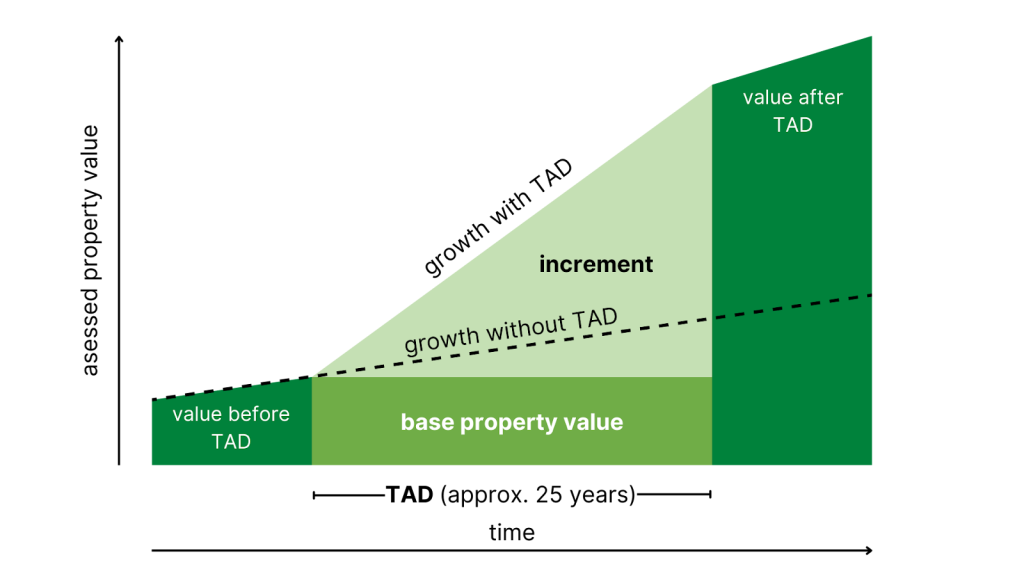
To fund the proposed neighborhood reinvestment initiative with its Southside light rail and an additional four MARTA infill stations, Dickens proposed extending the duration of all eight of Atlanta’s tax allocation districts (TADs) until 2055. Currently, they are set to expire at various times between 2030 and 2025.
TADs work by freezing the level of property tax revenue generated for the local governments—in Atlanta, that includes the city, Fulton County and Atlanta Public Schools. Additional property tax revenue generated in the TAD is reinvested in the district.
That structure restricts where funds can go and what they can pay for. “You can use it on housing, transportation, economic development,” Shipman said. “But there are a whole bunch of things you can’t use it on,” such as police or fire services.
The financial complexity alone can discourage public oversight. “Part of the problem with TADs is that they’re a little complex,” Shipman said. “You actually have to understand finance to think through it.”
He also raised another concern. If TAD-funded development succeeds, it can strain city budgets elsewhere. Growth requires services, yet the new tax revenue stays inside the district rather than supporting the general fund.
Although the proposed project costs an estimated $2.2 billion, extending TADs would divert an estimated $5.5 billion from services provided by the participating governments, like public education, healthcare, and infrastructure. TAD revenue allocation is controlled by Invest Atlanta, which is comprised of appointees from the three participating governments. When the TAD expires, the leftover funds revert to the participating governments.
Engagement hurdles deepen distrust, critics say
For Kelsea Bond, Atlanta City Councilmember for District 2, the shift in rail construction priorities and what has been delivered so far has revealed a larger democratic gap between what voters approved and what officials are delivering. “It’s not a particularly democratic way to spend our money,” Bond said. “If we move forward on extending the TADs, we’re basically signing off $5 billion as a big question mark.”
They argued that sustained public pressure matters more than any single vote or referendum. As long as residents continue to organize and pay attention to how decisions are made and who benefits from them, city leadership cannot assume silence means consent.
Bond said they refused corporate and developer donations during their council campaign, arguing that who candidates take money from reveals how they will govern. They pointed to Portman Holdings, a major Atlanta Beltline landowner and frequent donor in Atlanta races, which has opposed rail on the Beltline while contributing to some candidates who fit their agenda.
“There’s been a lot of skepticism from, I would say, progressives that TADs have not really worked to generate equity in Atlanta,” Bond added, describing the mayor’s rationale as hypocritical. “I wouldn’t call the current state of the Beltline a very equitable project.”
Rebecca Serna, executive director of PropelATL, and other advocates also point to systemic engagement gaps, not just isolated decisions, to the gray area around decision-making. MARTA’s current process often ties public meetings and outreach to specific corridors or projects rather than the overall program, leaving many riders without a clear forum for broader questions about program priorities or changes.
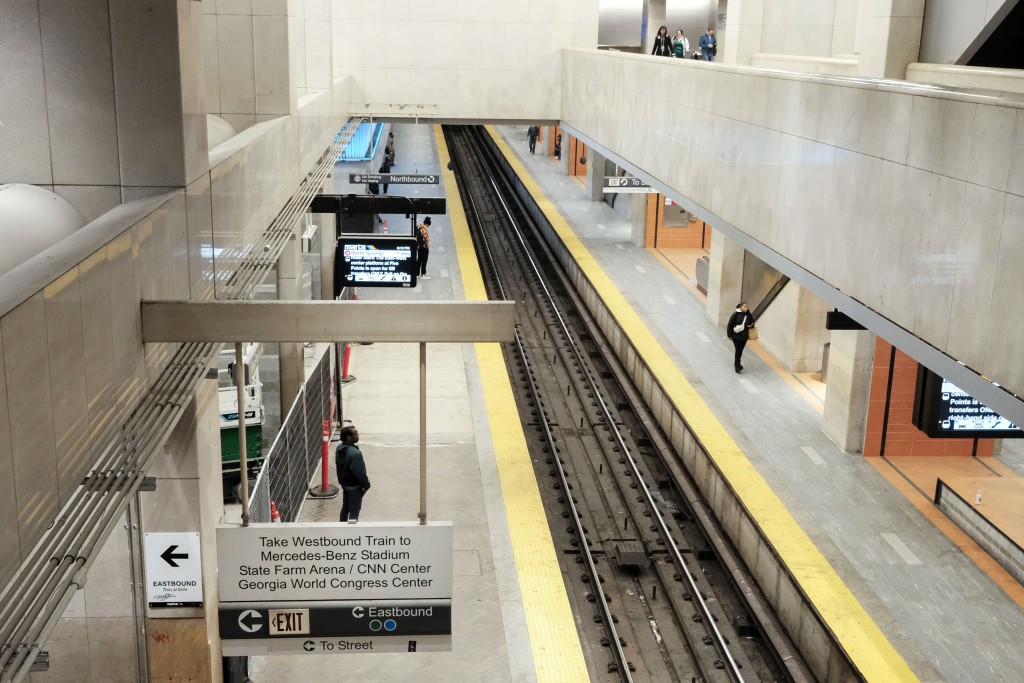
“There’s a demand for people wanting to provide input more generally to MARTA… not only about specific projects that may be years and years in the future,” Serna said. However, MARTA board meetings do not have time reserved for public comments, so any formal input to MARTA leadership would be received after applying for membership on the MARTA Riders Advisory Council.
She also noted how many riders–especially bus riders who may be juggling transfers, delays, and other hardships–simply lack the time or access to attend multiple hearings or meetings, exacerbating a positive feedback loop where riders are stuck without a means or platform to be heard.
“We need more ways for the MARTA board and leadership to get feedback from riders–whenever they’re making changes to the program we as taxpayers are paying for,” she said.
For residents trying to judge whether the program is working, Shipman suggested two benchmarks: compare current progress with the original project list voters approved and evaluate daily service quality.
“At the end of the day, MARTA has to serve residents and riders. Period,” he said. “Without moving people around effectively, it ain’t working.”
Neither MARTA nor the mayor’s office responded to a chance for comment on this story.
Author

Related Articles

A Rohingya man in New York died under mysterious circumstances— his relatives in Georgia are grappling with the loss
Federal immigration officers left Nurul Amin Shah Alam outside a closed coffee shop in harsh winter weather— days later he was found dead. He was getting ready to move to Georgia, says his niece in Stone Mountain.