Opinion — Raising comrades: a dispatch from the children’s movement to Stop Cop City
Everyone has the right to protest. That includes kids.
I like to tell people I was radicalized by my child’s preschool teacher.
Rukia Rogers founded the Highlander School with the belief that children have the right to play, steer their own knowledge and be taken seriously. The school’s website asserts, “We will treat children as today’s citizens, not future ones.” This is a radical departure from capitalist frameworks that understand children as future workers and the property of their parents. But judging by the mile-long wait list to get into the Highlander School, it’s a departure that resonates with many progressive Millennial parents.
At Highlander—which is named after the Highlander Folk School, a Civil Rights Movement training center in Tennessee—educators engage children in conversations about their political reality in age-appropriate ways.
My first child started there in 2019. As a white woman married to a Filipino-American man, I had been thinking about how to parent mixed-race children long before we had them. At the Highlander School, our eldest was surrounded by other children and engaged in a curriculum that nurtured their natural empathy for one another. She played next to a child-made mural of Breonna Taylor and George Floyd and participated in mock elections from the moment she could hold a marker. As plans for Cop City materialized—along with the movement emerging against it—she learned about the forest’s first inhabitants from one of their descendants.
There is precedent for children in politics. The Birmingham Children’s March in 1963 ultimately led to the passage of the Civil Rights Act. More recently, survivors of the 2018 Parkland high school shooting founded March For Our Lives, mobilizing youth against gun violence. In both, children participated not as the political pawns of adults but rather as agents of their own liberation.
There will always be adults who say it’s not fair to ask children to put their bodies on the line. But when you consider school shootings, the genocide in Gaza and the criminalization of Black boys, children’s bodies already are.
I felt that I owed it to my children to enter the fight against Cop City because they would be the ones left facing the consequences of heightened surveillance, increased militarization and ecological devastation.
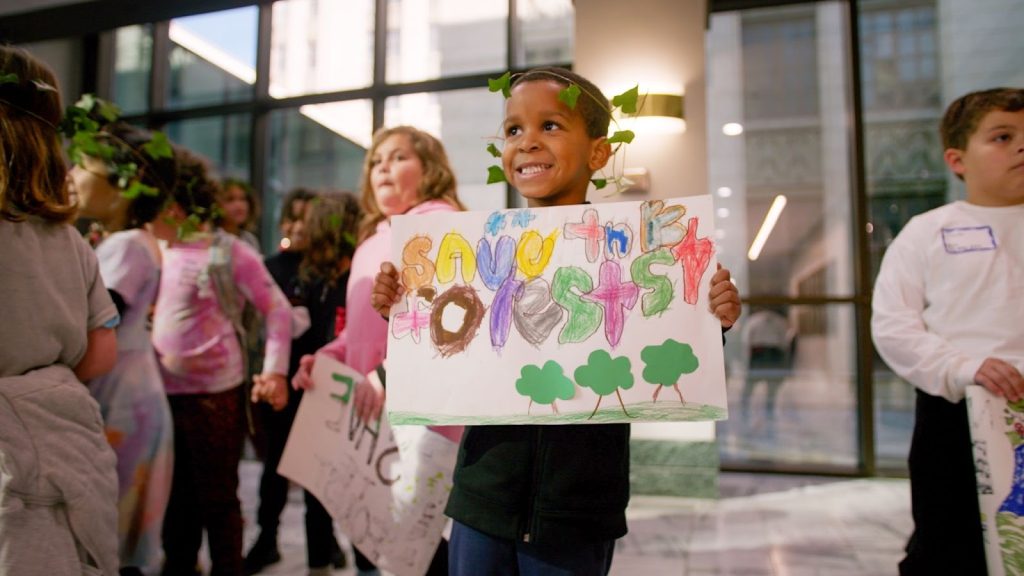
So in the spring of 2022, we joined a children’s march that Rogers and the newly formed Weelaunee Coalition had planned. Rogers prepared my eldest and her Highlander School friends by staging a practice march around the school playscape. When she asked them what they wanted to tell people about Cop City, they answered, “It’s not fair,” and, “Don’t cut down the trees!”
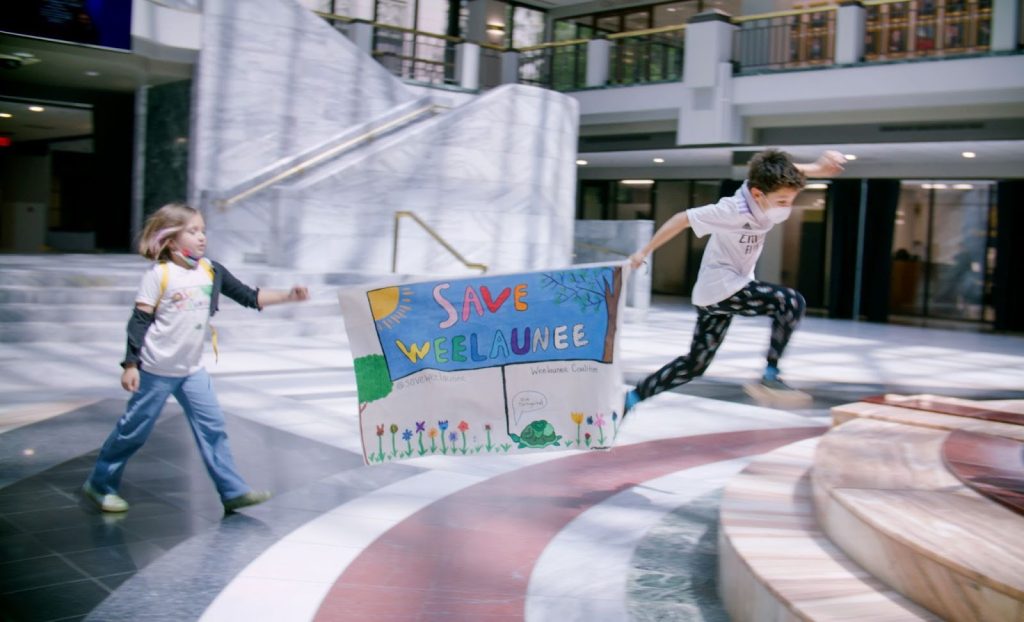
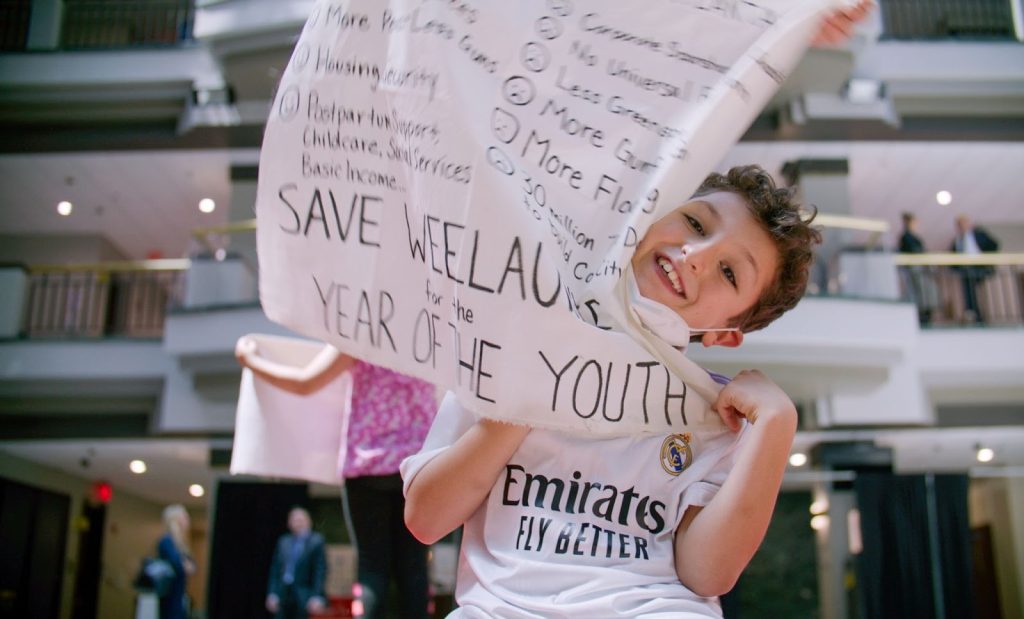
That May, families from schools across the eastside joined us on a march through East Atlanta Village. Children led the way, holding a banner they’d created that read, “I love you trees. Stop never cut down the trees (sic).” We chanted their words: “Don’t cut down the trees! It’s not fair!”
No paywall. No corporate sponsors. No corporate ownership.
Help keep it that way by becoming a monthly donor today.
Free news isn’t cheap to make.
I was grateful for the childless twenty-somethings who arrived at the march with orange safety vests and blocked traffic so we could cross streets safely. I had begun to form more intentional relationships with people their age because I saw how the concept of the nuclear family exploited the labor of mothers while isolating childless adults. I was grateful for the preschool teachers, babysitters and young anarchists who wanted to be in solidarity with the children.
I thought of these friends when, months later, police killed the young forest defender Tortuguita (known to the community as “Tort”) during a raid. I thought too of Tort’s mother, and of how my children would be Tort’s age in a blink.
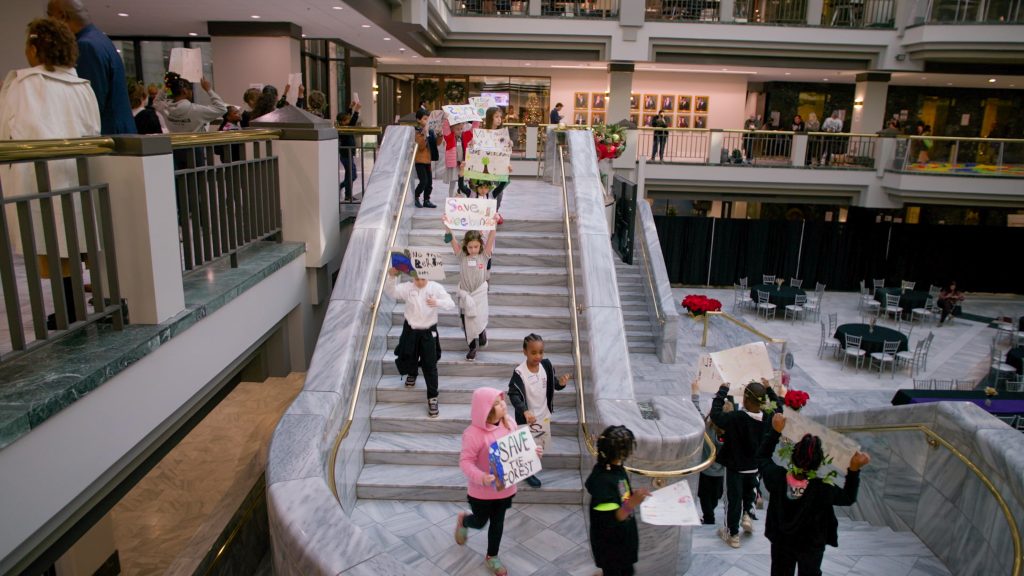
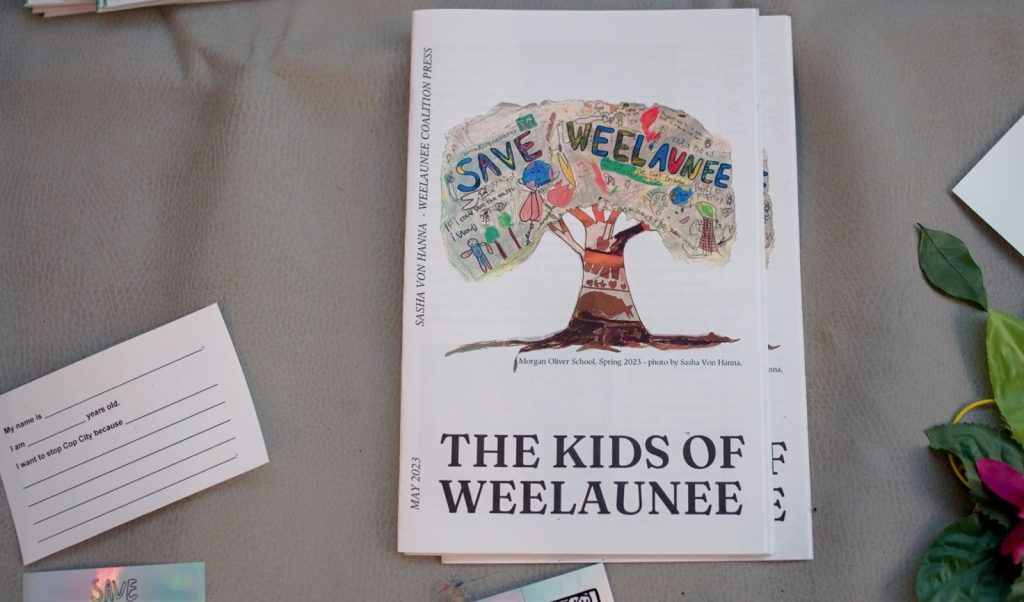
In the months that followed Tort’s death, my children and I joined the Weelaunee Coalition on various visits to City Hall. The adults spoke during public comment and read children’s books aloud. Older children recited poems they had written about the forest.
Cop City proceeded despite all our efforts. My feelings of powerlessness reached new depths as genocide unfolded in Gaza, victimizing tens of thousands of Brown children who could have been my own. I was heartened to see American college students hold their institutions accountable, then newly heartbroken as authorities criminalized and maimed them. I had no more voice with which to scream into the void.
Just when it seemed there was nothing more to put my hope in, spring arrived. On a sunny April morning, I met with Dr. Ariana Brazier (who uses she/they pronouns and goes by “Ari”) on the front porch of the Highlander School. She was my co-lead on the school’s Social Justice Committee and told me she’d been thinking about planning a summer workshop series called Parents & Protest. Ari explained that they were tired of splitting their attention with their toddler at trainings and meetings, and felt there needed to be a dedicated space in the movement for children and their guardians.
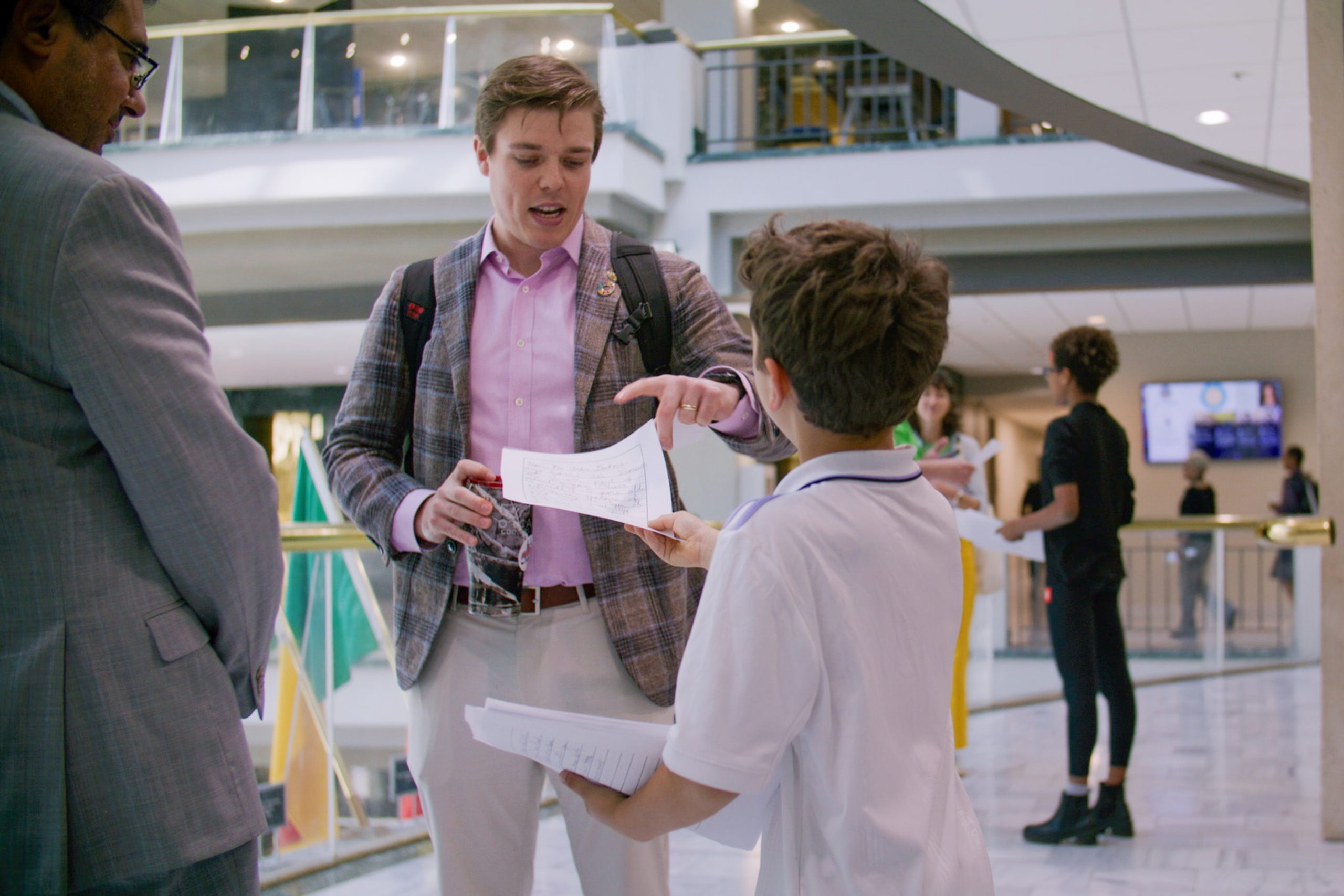
They recall, “Parents were improvising their participation in movement spaces. Many were not even bringing their kids. There was not any infrastructure to ensure we were making the most safe and strategic decisions for our families. All the trainings were for and about single adults wanting to take action.”
As Ari described her vision, a breeze rippled through the hundreds of ribbons that hung from the school’s fence. Rukia and the Highlander parents had painstakingly tied them in honor of the children killed since October 7. With the sun shining over us, I felt newly energized by Ari’s idea, and I agreed to help. Later, Ari also recruited Sasha Von Hanna, another former Highlander parent whom they knew from the Weelaunee Coalition. Sasha had organized many of the family trips to City Hall. She remembers, “When Ari suggested a series where we could learn how to support each other’s and our children’s participation in direct action, I felt a full-bodied yes.”
We announced the first Parents & Protest session in May 2024 on social media, writing, “We believe that children are equal citizens with the right to participate in democracy through protest. … In a world where children are impacted by the actions of their government whether we like it or not, we believe that true protection does not consist of sheltering them from knowledge of the evils of the world but rather teaching them about their power to change it.” The post received over two thousand likes and dozens of comments.
The series began in June 2024 in order to coincide with the Weelaunee Coalition’s Summer of Resistance. Many of the same families who had participated in Weelaunee Coalition actions at City Hall, as well as others I’d never met, attended the meetings that summer.
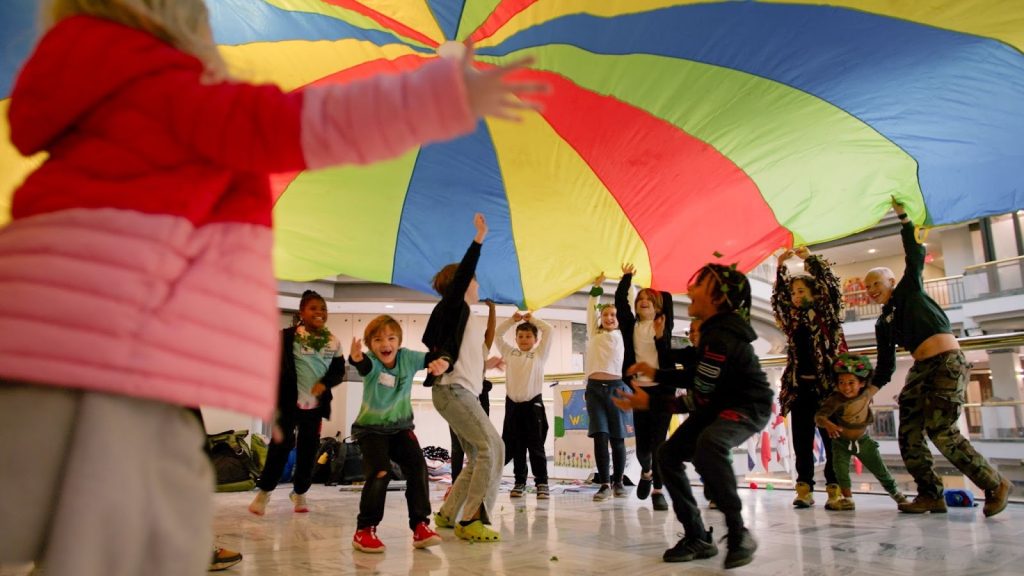
While children played, facilitators led conversations on risk assessment, safety precautions and what to pack in protest diaper bags. A Know Your Rights training outlined specific implications for parents, custody rights and what to do if you’re detained with your child present.
An education student from a local college read to the children books like “Abolition is Love”—a story that describes mutual aid through the eyes of a child—and asked questions like, “What were some ways that you saw people caring for one another in the book?”
In a simple street medic training, kids got to stick red tape to their adult’s body. Then, they practiced placing their hands over the tape and applying pressure to stop the “bleeding.”
When fall arrived, we weren’t ready for the series—or our collaboration—to end. We decided to add more monthly trainings to the calendar. Between sessions, we gathered to read and learn about issues like the childcare gap, rights for trans children and copaganda in children’s media.
As Cop City was built, the focus of our trainings became less immediate. But as we watched fascism rise nationwide, the need for what we were building grew clearer than ever. We decided to evolve the training series into an ongoing collective called Raising Comrades.
The group meets for two and a half hours, one weekend a month at a private home. Our time is split between hanging out and catching up, and formal trainings that cover topics like ICE resistance and alternatives to calling 911.
When I asked the children why they attend Raising Comrades, 10-year-old Magdalena answered, “I like that my friends are there, and it’s a great opportunity to learn about what’s happening in the world and how to fix and change it.” 10-year-old Violet said, “My best friends are comrades! I always have fun, every time.” My own child, now 6, said, “Please come to Raising Comrades with us.”
To us, “raising comrades” means our children are not our property but our comrades in our struggle for liberation, and that we adults are still being raised, both by our children and by one another.
Viewing our kids as our comrades isn’t always easy. It means initiating conversations about Palestine and the police that are age-appropriate but not sanitized. It means giving our kids choices when it comes to constructing their own gender and sexual identity—then advocating for those choices with their teachers and other authority figures. It means helping our kids solve their own conflicts with one another, rather than intervening, fixing and punishing. It doesn’t mean there’s no such thing as bedtime, but it does mean holding boundaries while respecting their bodily autonomy. If they don’t know how to challenge our authority, how will they know how to challenge authoritarianism?
Raising comrades is forever a work in progress. But now, it’s work we’re doing together.
Related Articles

Opinion — Play the Game. Vote for Public Service Commissioners.
The most important race in the country is in your hands.
