Meet Sandbox: Atlanta’s fix-it hackerspace and progressive tech collective
Launched in early 2025, Sandbox offers its space in Little Five Points’ Hartz Building for member-run digital security trainings, community fix-it days, 3-D printing and much more.

Since their arrest in 2023, a group of the 61 Stop Cop City RICO defendants had been contemplating how to reorganize their lives as legal charges limited their travel, hung over job prospects and interrupted their everyday lives.
“You get indicted; it’s like the future just becomes a black hole,” said Sonali Gupta, one of the group members. “I was applying to jobs in New York, and then all of that seemed completely off the table.”
As Gupta and the group processed their shared ordeal, they contemplated what they would regret not doing in response.
The result is Sandbox, a member-managed cooperative for technological know-how, gadget repair, fascinating machines from multiple eras and whatever else members approve. Though all are welcome and projects vary, Sandbox foremost emerged as a hub for leftist techies to stand up for themselves and their community, Gupta explained.
“We had all done this tech bootcamp that was like if Sandbox was a 10-day intensive event,” Gupta said, referring to the inspiration for the collective. “This would be something that we could do with our futureless futures. It’s a great thing to do now: When repression is so heavy-handed and not much seems possible, you start seeding the infrastructure for things in the future.”
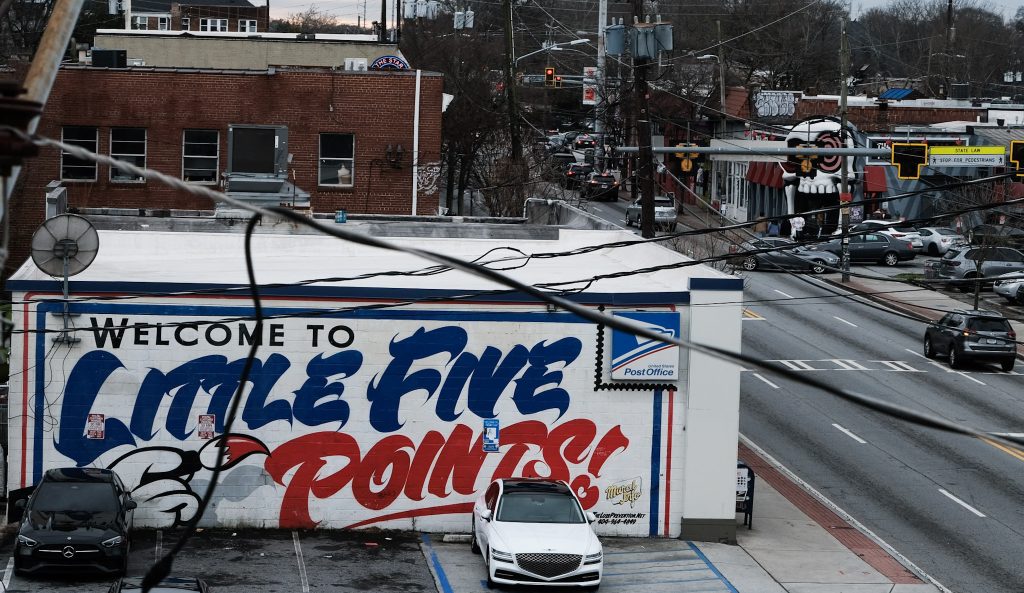
After the group bandied about the idea of a permanent space, Gupta, already acquainted with the Hartz Building in Little Five Points, ultimately claimed the lease from a tattoo shop that previously occupied the third floor.
“The rest of Atlanta, everything’s changing so fast, but Little Five feels like weirdly still the same thing,” she said. “Having it in Little Five was a big part of the calculation. It just feels like a really cool place for Sandbox.”
By December 2024, after fundraising, certifying nonprofit status and weeks of preparation and arranging, Sandbox opened to the public. The first year saw events as disparate as community repair days, a play, seminars and conferences on technology and reproductive autonomy, board game nights and open houses every Friday at 6 p.m.
“Anything can happen here, as long as members want it to be at the space,” Gupta said, making events more economically accessible.
No paywall. No corporate sponsors. No corporate ownership.
Help keep it that way by becoming a monthly donor today.
Free news isn’t cheap to make.
Among all of these events, Gupta and Manny—another member, who asked to be identified only by first name—agreed they were proudest of a digital surveillance conference they hosted in April. Manny highlighted an information session on StingRays, cell-site simulators that law enforcement and intelligence agencies use to track cellphones and collect data by mimicking cell towers to intercept vast amounts of information as cellphones automatically connect to the nearest tower. Gupta underscored a demo for GrapheneOS, an Android-compatible operating system prioritizing privacy and security.
“It was cool because I had people from regular life come and just be really floored,” Gupta said. “One was very taken by Graphene, and when Sam Tunick was arrested by FBI (in December) for allegedly giving a duress password for Graphene, she called me, so excited about the legal ramifications of that case. In that way it was a really good entry point for a lot of people.”
Manny also elaborated on Sandbox’s Movement Infrastructure Research (MIR) project as a technical offering, helping aligned groups own and secure their digital infrastructure.
“All these tools that organizations need to function, like email, drives, payroll—you name it—many use big tech solutions because they just want something that works for them,” Manny said. “But those big tech organizations will collaborate with government and law enforcement at the drop of a hat, on purpose oftentimes. All these tools have free and open-source alternatives. You just have to host them yourself, which requires some technical expertise. MIR’s goal is to make that easier to do, so that you can, within your organization, administer these cloud infrastructure tools needed to do your thing.”
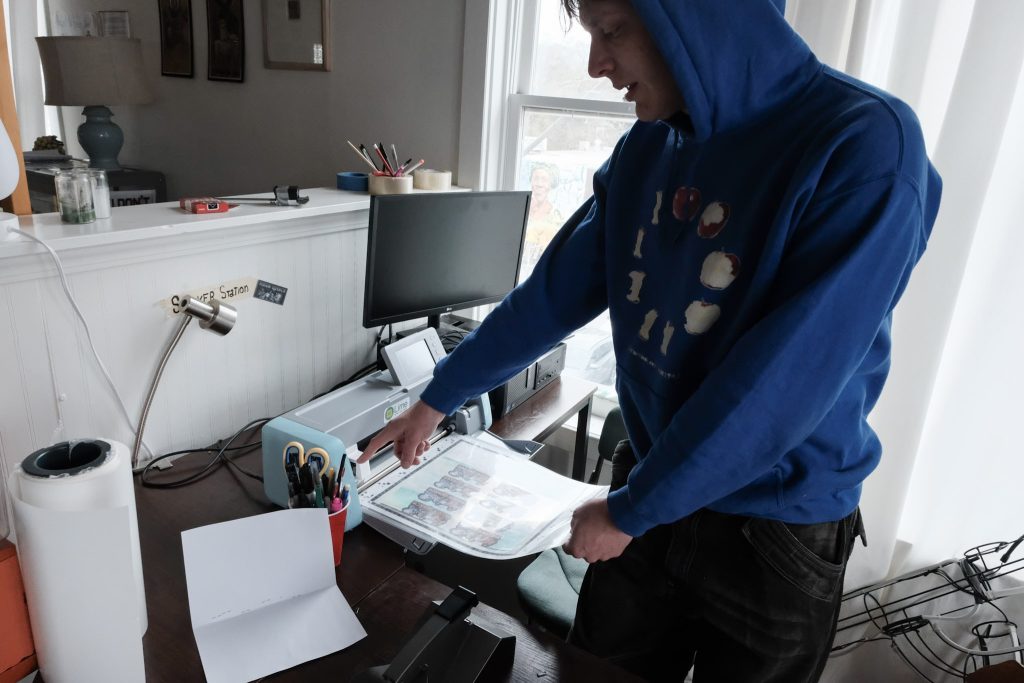
One example he noted was Atlanta Solidarity Fund, which MIR developed calling software for. Sandbox also offers to host servers for allies, Manny said, which are among many items the collective has saved from the scrap heap. A video synthesizer, embroidery machines, sticker makers, 3-D printers and even an oscilloscope are among the group’s prized machinery. Member Hassan Shaikley expressed enthusiasm for getting a laser cutter one day.
“A long-term thing we scheme about—it would be cool to basically have groups that have different types of expertise working together,” Gupta said, referring to blends of tools and technological prowess for rapid response infrastructure similar to that of Minneapolis leftists. Gupta is particularly interested in counterlogistics: strategic disruption of logistical systems or building of alternative systems as resistance, such as a coordinated free food distribution system. “There’s just so much counterlogistics stuff that’s possible right now. Ideally Sandbox could be an incubator for building up counterlogistics projects, or at least offer some kind of consultancy for other groups.”
Techies, handy folks and organizers are already establishing Sandbox as a third space to build community and bridge digital and in-person divides, the group agreed—the type of space they’ve seen increasingly disappearing from modern life. As Gupta put it, Sandbox is a political space with skills and knowledge to contribute to an alternative future reality, rather than the current local, state, national and global trajectory.
“We have so many great people who just get it,” she said. “Now I’ll get off of work, come up here, and there’s 20 people. They’ll just come to Sandbox and find someone—just random technical questions, people know to come here.”
For more on Sandbox, visit SandboxATL.org.
Related Articles
A Rohingya man in New York died under mysterious circumstances— his relatives in Georgia are grappling with the loss
Federal immigration officers left Nurul Amin Shah Alam outside a closed coffee shop in harsh winter weather— days later he was found dead. He was getting ready to move to Georgia, says his niece in Stone Mountain.