
Georgia Court of Appeals will take up ‘Cop City’ RICO case
Attorney General Chris Carr appealed Fulton County Superior Court Judge Kevin A. Farmer’s dismissal of racketeering charges against 61 people. The Georgia Court of Appeals accepted the application on Wednesday, despite process challenges from the defense.
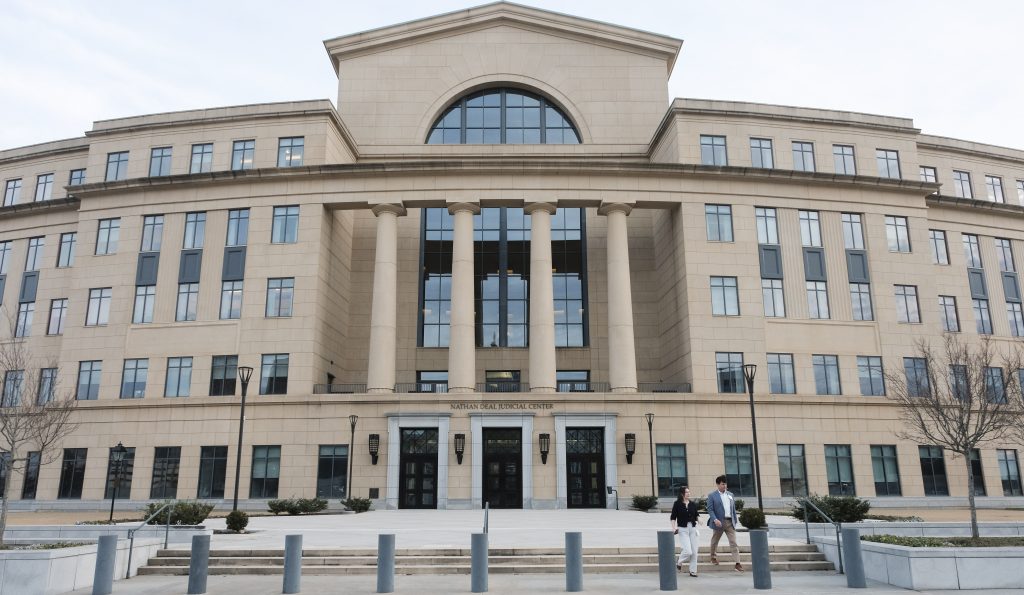
The Georgia Court of Appeals accepted on Wednesday Attorney General Chris Carr’s application for an appeal of Fulton County Superior Court Judge Kevin A. Farmer’s dismissal of Count 1 of the ‘Cop City’ racketeering indictment.
Judge Farmer dismissed Cop City racketeering charges against 61 individuals on Jan. 30, 2025. The dismissal came after defense attorneys successfully argued that Carr failed to obtain written permission from Gov. Brian Kemp before bringing an indictment on those charges. Prosecutors appealed the judge’s decision to the Georgia Court of Appeals.
Defense attorneys attempted to challenge the State’s appeal on two grounds.
“The state went through the wrong appellate process,” said Xavier T. de Janon, a defense attorney who represents Jamie Marsicano. “The State of Georgia has a direct right of appeal. Instead, they went through this interlocutory process under the wrong statute.”
He explained that the state filed an interlocutory appeal—a process that permits parties to appeal a decision to the next-highest court before a final judgment is entered—under the statute governing defendants’ interlocutory appeals.
Under Georgia law, prosecutors can directly appeal a judge’s order dismissing an indictment or part of an indictment. Although prosecutors filed an interlocutory appeal, the appellate court accepted it under the direct appeal statute.
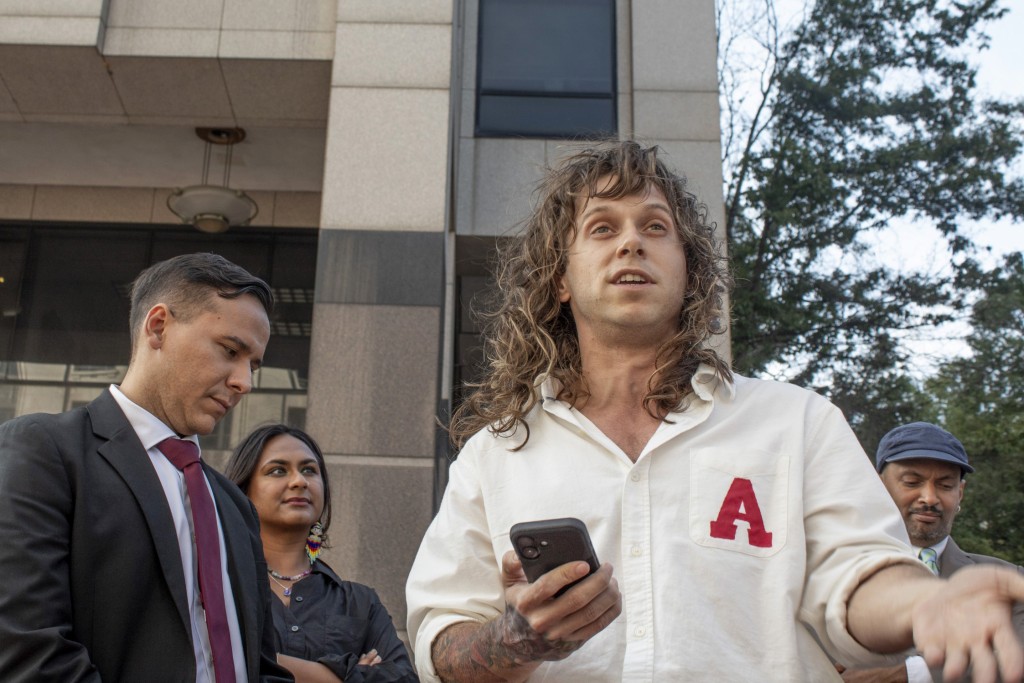
Aminth Gupta, who represents Hannah Kass, filed a separate opposition to the state’s appeal, arguing that the state also failed to provide notice to 57 of the 61 individuals originally indicted with racketeering and Georgia law requires appellants to serve a copy of the appeal application to the opposing parties.
The issues identified by the defense will likely come up in arguments before the Court of Appeals, de Janon said, but the attorney general’s brief—or written arguments—will play a role in what is ultimately argued.
The next step in the appeal is for the attorney general to notify the trial court, which will then provide all relevant case files and transcripts for the appellate court to review. After that, both sides will file briefs.
The Court of Appeals website lists a May 2026 calendar date for the case.
No paywall. No corporate sponsors. No corporate ownership.
Help keep it that way by becoming a monthly donor today.
Free news isn’t cheap to make.
Domestic terrorism charges likely to fail if Court of Appeals upholds dismissal of racketeering charges, prosecution says
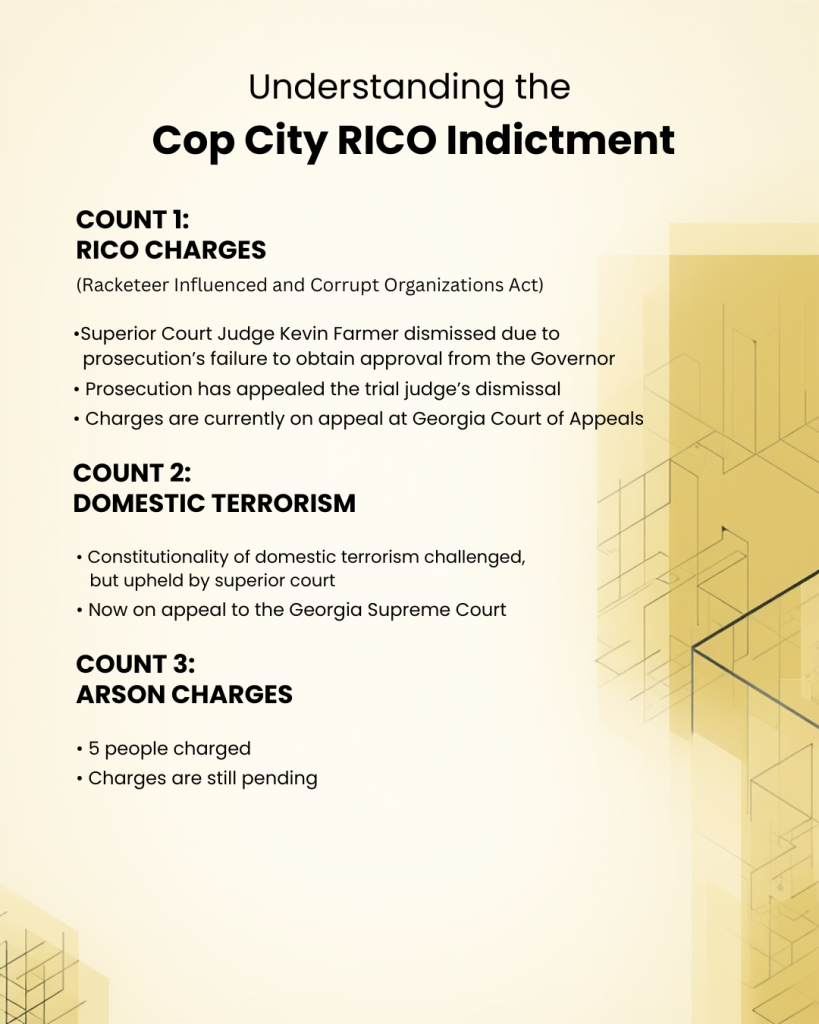
Count 1 of the Stop Cop City indictment accused 61 people of RICO. Count 2 of the indictment accused five people of domestic terrorism.
Defense attorneys argued in September that the domestic terrorism charges should be dismissed over constitutional and legislative procedural issues. In December, Judge Farmer denied their motion to dismiss. The defense has appealed that decision to the Georgia Supreme Court.
In its appeal application to the Georgia Court of Appeals over the racketeering dismissal, the attorney general’s office acknowledged that the domestic terrorism charges may also fail if the dismissal of the racketeering charges is upheld.
Prosecutors wrote, “Now only five of the original defendants remain in the suit, and they face charges that will be difficult if not impossible to prove without now-inadmissible evidence relating to the racketeering counts.”
Still, the signal coming from the attorney general is that prosecuting these charges remains a priority.
Carr, who is running for governor in 2026, has made prosecuting Cop City protesters a key campaign message. After Judge Farmer issued his order dismissing the racketeering charges in January, Carr posted a video to both his official and campaign X accounts in which he referred to the superior court judge as an “activist” who “wrongly interpreted the constitution.” He promised the continued prosecution of what he called “domestic terrorists.” He published two more videos on similar grounds in the first two days of February.
The attorney general’s office did not respond to a request for comment on this story.
Author

Related Articles

A Rohingya man in New York died under mysterious circumstances— his relatives in Georgia are grappling with the loss
Federal immigration officers left Nurul Amin Shah Alam outside a closed coffee shop in harsh winter weather— days later he was found dead. He was getting ready to move to Georgia, says his niece in Stone Mountain.