‘Always be a struggle’: Sapelo Island Gullah Geechee to vote on historic zoning referendum
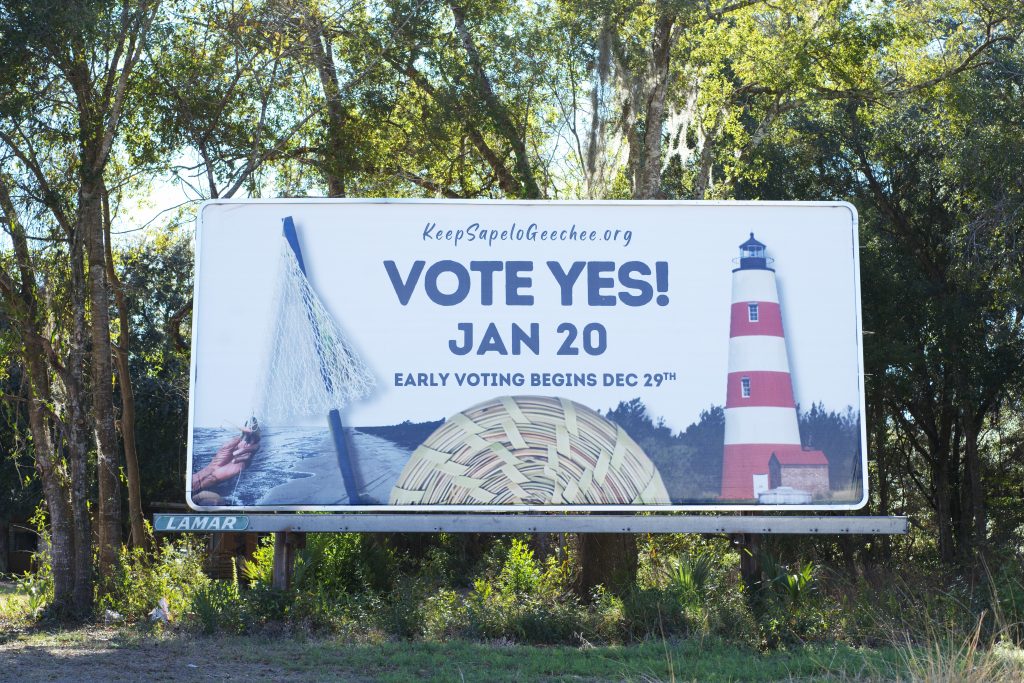
Pulling off Highway 251 onto North Road, the main street of Darien, Georgia, in mid-January, a billboard tells you to “Vote Yes!” on January 20. The town is home to less than 2,000 residents; it hosted the early voting on a Sapelo Island referendum, which ended Friday.
An organization called Keep Sapelo Geechee has its website listed across the top.
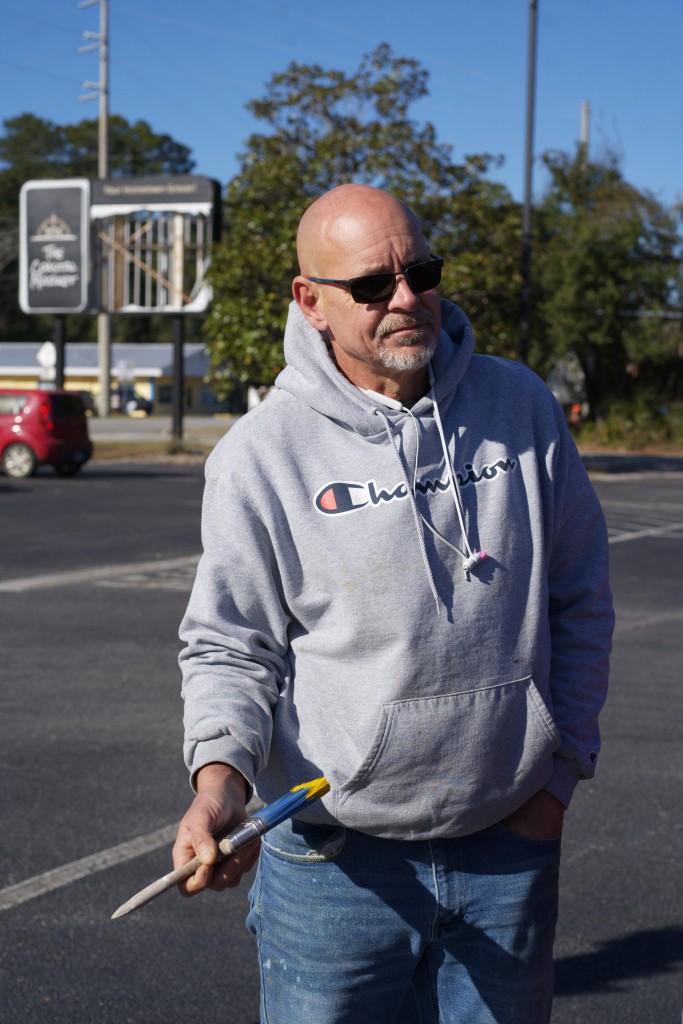
Across the street, in the blustery cold, John Blankenship is setting out a dropcloth. He plans to paint a lightpost in the parking lot of Coastal Market, where he works as the meat market manager.
“I’ve gone to Sapelo my whole life,” says the 55-year-old, born and raised in Darien, when asked about the billboard and the upcoming election.
On Tuesday, McIntosh County’s 10,000-plus voters will vote on whether to support or reject a county zoning amendment increasing the amount of residential square footage permitted on Sapelo Island from 1,400 to 3,000. Allowing larger houses to be built on the island would open the door to developers, raise taxes and change the island’s cultural and environmental landscape.
“Why do you want to change it so it looks like a suburb with $350,000 housing?” Blankenship says about the county’s plan. “I understand progress—but some things shouldn’t change…It’s mostly Black folks (on the island), and they just wanna push them out.”
Sapelo Island’s historic referendum vote approaches
Sapelo Island, seven miles by ferry from nearby Meridian, is home to Hog Hammock, Georgia’s only surviving island community of Gullah Geechee. The Geechee are descendants of West African enslaved people who worked on cotton, indigo and rice plantations from coastal North Carolina to Florida.
The community, which descendants call “Hogg Hummock,” has dwindled in recent years to between 30 and 40 residents. Dozens of their children and other family members have moved to the mainland but maintain ties to the island. Some still own property there and plan on retiring to the community.
Now they’re at the center of history. The referendum facing the county’s voters Tuesday will be only the second ever to challenge a county action in Georgia, after nearby Camden County voters defeated a proposal to build a rocket launching pad through a referendum in 2022.
The ability to stage a referendum comes from provisions in Georgia’s constitution and is based on a certain percentage of registered voters in a county signing a petition in order to vote on an action by the county’s elected representatives. The percentage varies based on the county’s population. If the threshold of confirmed signatures is reached, “it is a great avenue for citizens to truly make their opinions known,” says attorney Dana Braun, who represented Gullah Geechee plaintiffs opposed to the zoning changes. Their lawsuit survived the county’s legal challenges against the referendum, leading all the way to the Georgia Supreme Court.
The state’s top court sided with plaintiffs in September.
“A referendum is one of the purest forms of democracy,” says Miriam Gutman, an attorney from the Southern Poverty Law Center. She represents nine Hogg Hummock residents in a separate, ongoing case against the county, asserting that the proposed zoning amendment is discriminatory.
Braun also represented the Camden County plaintiffs in the earlier referendum. That case inspired opponents of the Atlanta Public Safety Training Center—colloquially known as Cop City—to mount a petition to have a referendum on the matter. The Cop City referendum petition was based on provisions in state law but has not been successful to date, despite organizers gathering more than 100,000 signatures. Atlanta has held up the process both in court and behind closed doors, arguing over details ranging from who should be authorized to gather the signatures of voters to how those signatures should be counted and verified.
“The city did not want to hear from organizations and demonstrators,” says Gutman. “If they had thought the referendum wouldn’t be successful, they wouldn’t have gone through all that trouble to stop it.”
The $109 million training center opened last spring.
Hogg Hummock residents weigh in
In Hogg Hummock on Friday afternoon, Bobby Gene Grovner was preparing to take the noon ferry back to the mainland to run some errands. Grovner’s brother, Ire Gene, who has a house nearby, says the family stretches back nine generations on the island.

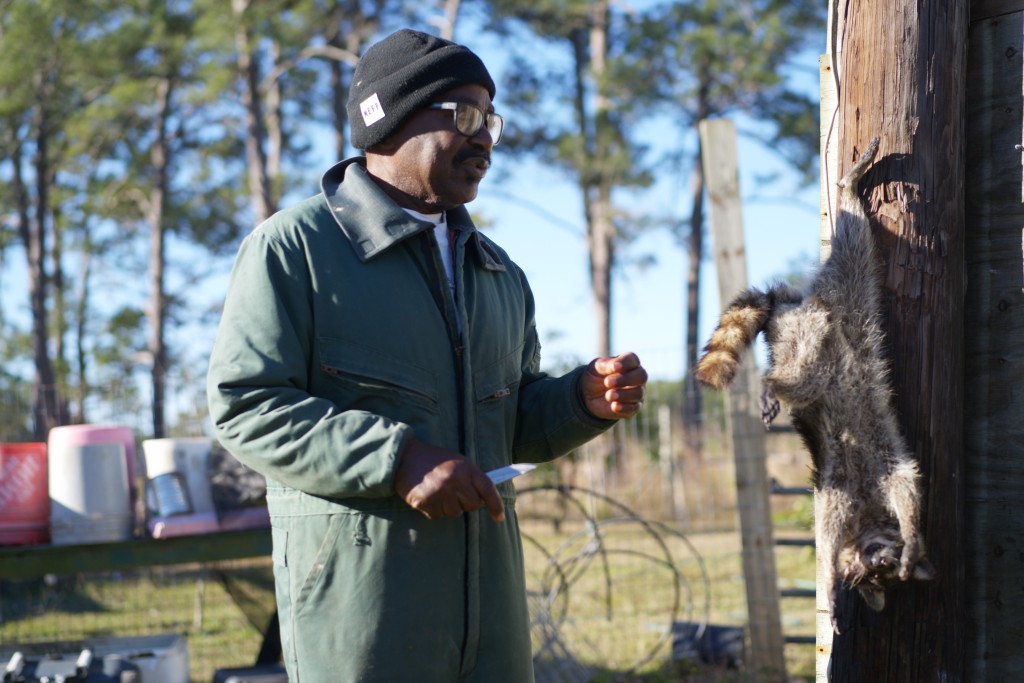
Like many on the island over the years, Bobby Gene moved to the mainland in his 20’s in search of employment. He spent decades working at jobs ranging from landscaper to toll collector to satellite engineer. Now 66, he came back to live in Hog Hummock around 15 years ago. He’s putting a lifetime’s worth of skills to use in his home, putting down wood floors, renovating room by room. His plan is to pass the house on to his two daughters.
The issue at the center of Tuesday’s election, he says, is “a few rich people, coming over here, buying property. That’s a buncha bullshit…We don’t need that change. We ain’t interrupting your life; why do you want to interrupt our life?”
Sapelo Island’s plant and animal life has made it possible for Gullah Geechee people on the island to live close to nature. “It’s important to preserve what’s here now,” says Bobby Gene. “You can find toothache medicine in the woods. There’s a lotta herbs out there. If you build everywhere, you ain’t gonna find no toothache medicine.”
The island has also been the source of important scientific breakthroughs. Research on how energy moves through an ecosystem was done on Sapelo in the 1950’s, leading to some of the foundational concepts of ecology.
To this day, the island’s relatively undisturbed nature—especially when compared to developed tourist destinations such as St. Simon’s Island—makes it a magnet for continued research, and the University of Georgia maintains a Marine Research Institute on Sapelo.
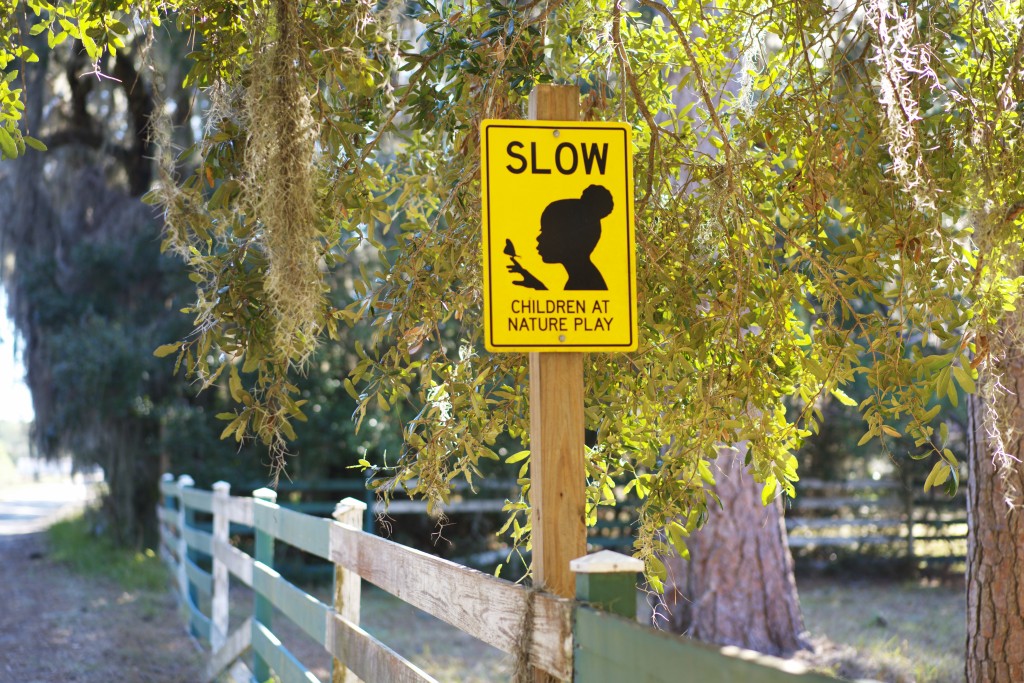
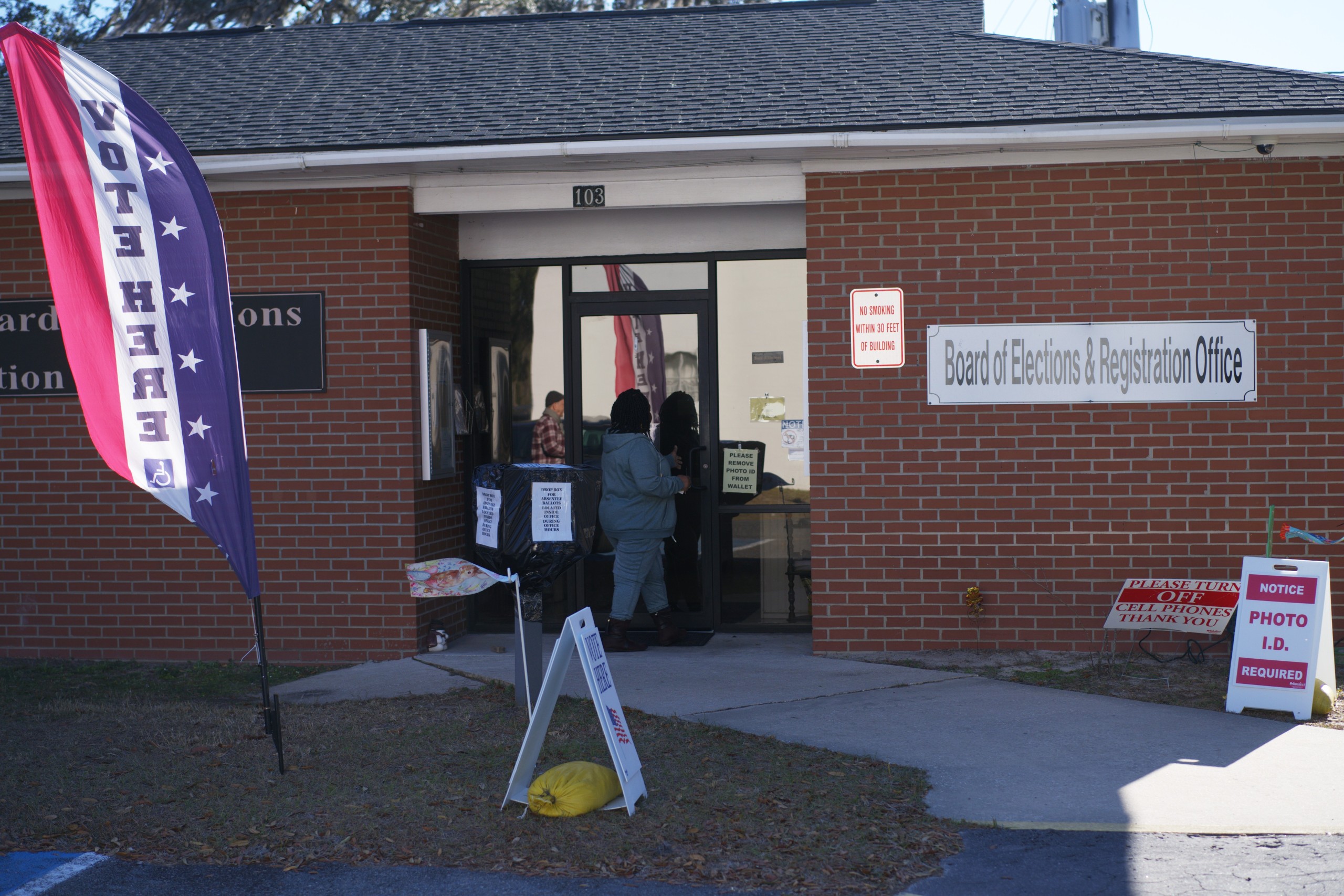
(Right) A McIntosh County voter on her way to cast a vote during early voting period for the referendum on Hogg Hummock zoning. (Jesse Pratt López)
On Thursday afternoon, outside the McIntosh County Board of Elections office in Darien, Jennifer Hayes had just voted early on the referendum. The 41-year-old works in the building services department at the university’s institute. “We try to support the community and the island any way we can,” she says. “The ecosystem, the community members—rezoning would make it all go away.”
Standing nearby, Catherine Hutcherson had also just voted. Now 70, she remembers visiting the island as a child. “There were plants and stuff back in the day used for medicine,” she says. “Like snake root, used for colds. If you build houses and all that stuff, you lose all of that.”
The fight for Sapelo Island continues

Shortly afterward, on the ferry from the mainland to the island, Yvonne Grovner describes her experience marrying into a Gullah Geechee family, becoming Ire Gene’s wife and moving to Sapelo 45 years ago. “We didn’t have all these people building big houses,” she says. “They want to make Sapelo into another St. Simon’s. If we allow them to build big houses, we won’t be able to afford taxes.”
By the end of several weeks of early voting, nearly a thousand county residents had voted.
Island residents, attorneys and others who have helped bring the referendum about note that it is only the latest struggle in a list stretching back centuries, starting with land on Sapelo being stolen from freed slaves by wealthy white businessmen.
As recently as the early 2020’s, a decade’s legal battle in federal court ended with a settlement obligating the county and the state to agree to such services as making the ferry dock accessible, expanding ferry service and improving road maintenance. The state owns the vast majority of the land on Sapelo.
And in recent weeks, McIntosh County Attorney Adam Poppell was quoted in the Darien News saying that if voters reject the county’s attempt to increase the maximum square footage allowed on the island, that doesn’t mean conditions would revert to what they were before—a limit of 1400 square feet. Instead, Poppell said, such a result would leave Hogg Hummock with “no zoning”—meaning anything could be built in the community.
The county attorney did not answer a request for comment.
Attorney Dana Braun wrote in an email that “the County pushing or publicizing this argument is an illegitimate effort … to influence the referendum vote.” If the county persists in the interpretation, he says, “it’s very likely there will be a new legal case.”
In any case, a positive result on the referendum would only be a momentary reprieve, says Bobby Gene Grovner. “It’ll be the end of the struggle for a while. But there’s gonna always be a struggle.”
No paywall. No corporate sponsors. No corporate ownership.
Help keep it that way by becoming a monthly donor today.
Free news isn't cheap to make.
Author

Related Articles
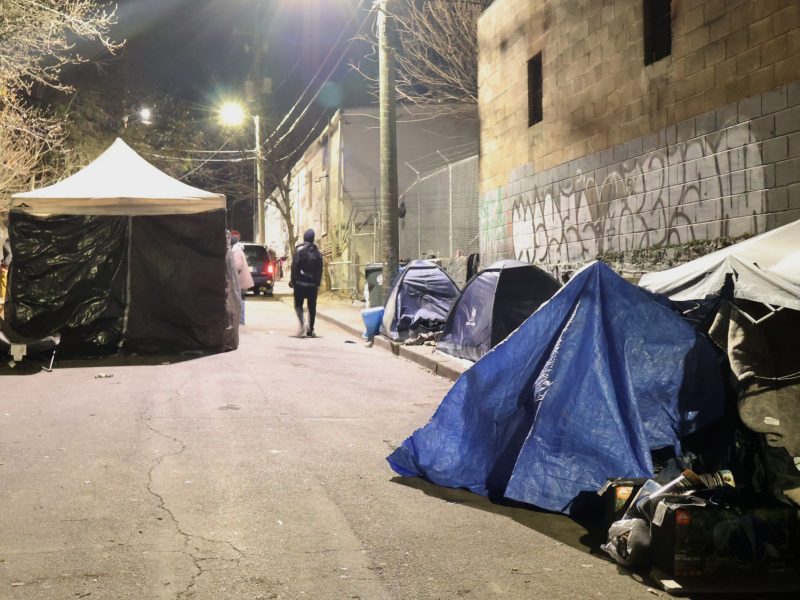
Local orgs fear further criminalized homelessness in HB 295, advanced from Public Safety Committee
The 8-5 vote marked the third straight year the bill proceeded to the House floor, where it was withdrawn last year without a full-House vote.