
Remembering Tom Coffin, 1943 – 2025
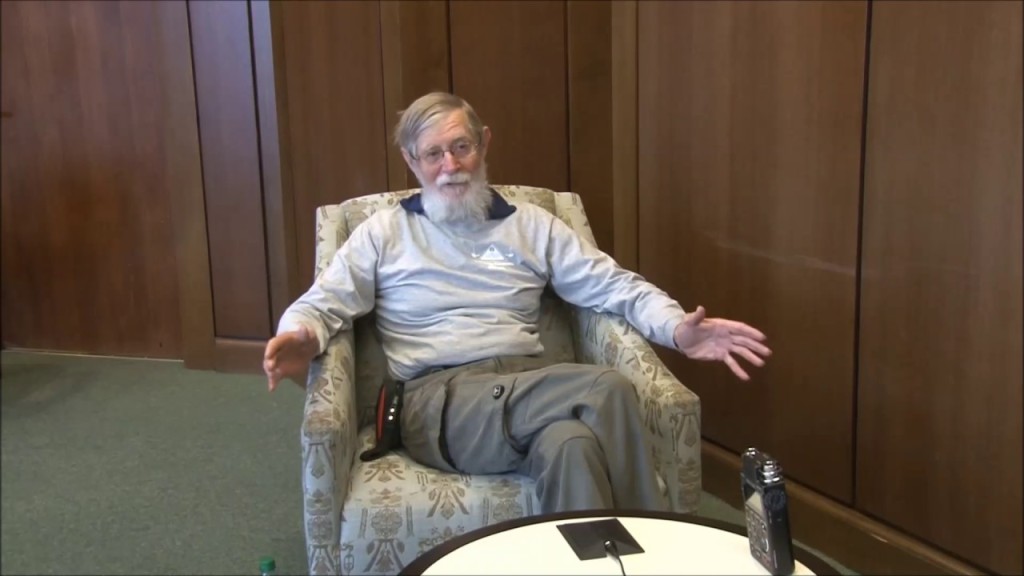
Tom Coffin was a lifelong troublemaker. In his 82 years of purpose-driven life, he made a lot of very “good trouble”. He leaves a legacy that reflects a commitment to human rights, caretaking the environment, and organized labor. He was a writer, editor, photographer, construction worker, crane operator, teacher, union member, arborist, father, husband, and an excellent cook (excelling at breakfast).
Tom was born in Dearborn, Michigan, on September 1, 1943; he grew up in Soap Lake, Washington. He earned his BA in Literature from Reed College in Portland, Oregon, in 1967 and a Doctor of Philosophy in Forestry from the University of Georgia in 1995.
Attracted to the South by his keen interest in writers like Faulkner, Tom moved with his new bride, Stephanie, to Atlanta in 1967 to pursue a graduate degree in literature at Emory University. However, his studies soon began to play second fiddle to his increasing involvement in the anti-war movement. By 1968, he left academia and, with a handful of like-minded people, founded and became the first editor of Atlanta’s new, cooperatively owned underground newspaper, The Great Speckled Bird.
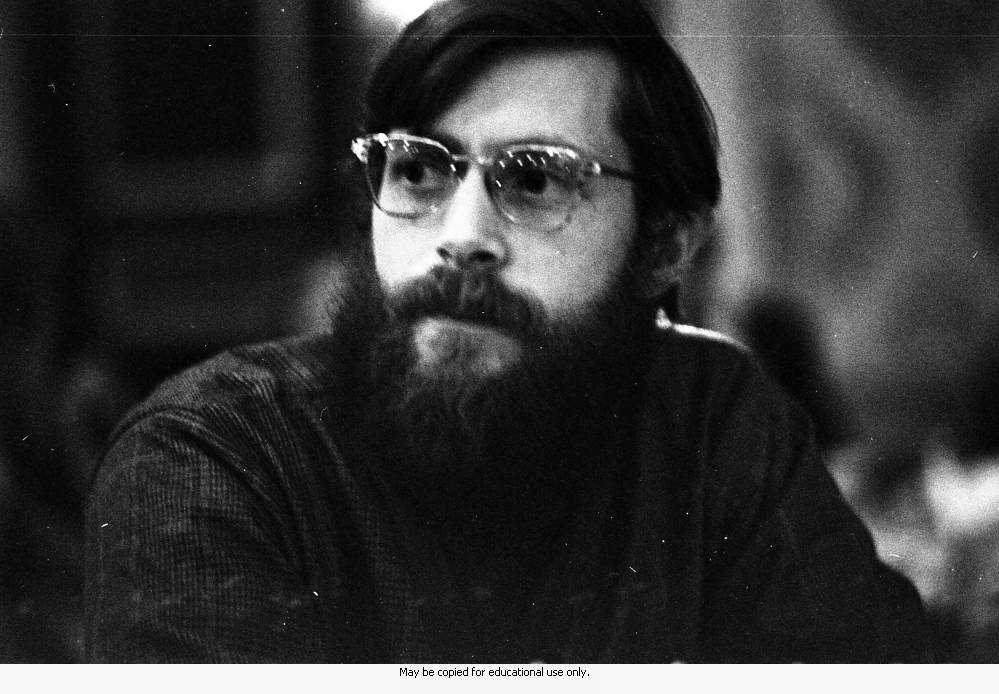
The “Bird,” as it was affectionately known, signaled the beginning of a new kind of independent journalism, melding political reporting with counter-culture activism. It eventually reached a weekly printing of 30,000 and was one of the iconic underground newspapers of that era. Throughout its short life, the Bird covered topics that ranged from interviews with Dolly Parton and Waylon Jennings to the growing women’s liberation and gay movement, the war in Vietnam, and the war on the streets at home. A primary focus of the paper was local news, which brought repression from the establishment. Tom worked with the Bird until 1976 and then returned in 1984-85 when it briefly resumed publishing.
In 2008, Tom and other former members of the Atlanta Bird cooperative organized a 40th anniversary reunion. For several years following that successful event, the group worked closely with the Georgia State University Archives to create a digitized Great Speckled Bird collection that includes oral history interviews with former Bird staffers and coop members. Tom’s own personal photographic collection of Atlanta workers, strikes, marches, and family and community life is now available through the GSU Archives.
From 1976 until 1989, Tom worked in Atlanta’s construction trades, first as a soil and concrete tester, and then as a crane operator with Local 926 of the Operating Engineers. His increasing interest in the environment, and particularly tree climbing, led him to return to academia to study forestry. After receiving his Ph.D. from the University of Georgia in 1995, he taught Sociology at Georgia State University as an adjunct professor but was fired after a failed effort to organize a union of adjuncts. For the next eight years, he worked as the head field arborist for the City of Atlanta. He was fired from that position after filing a whistleblower suit, which he eventually won.
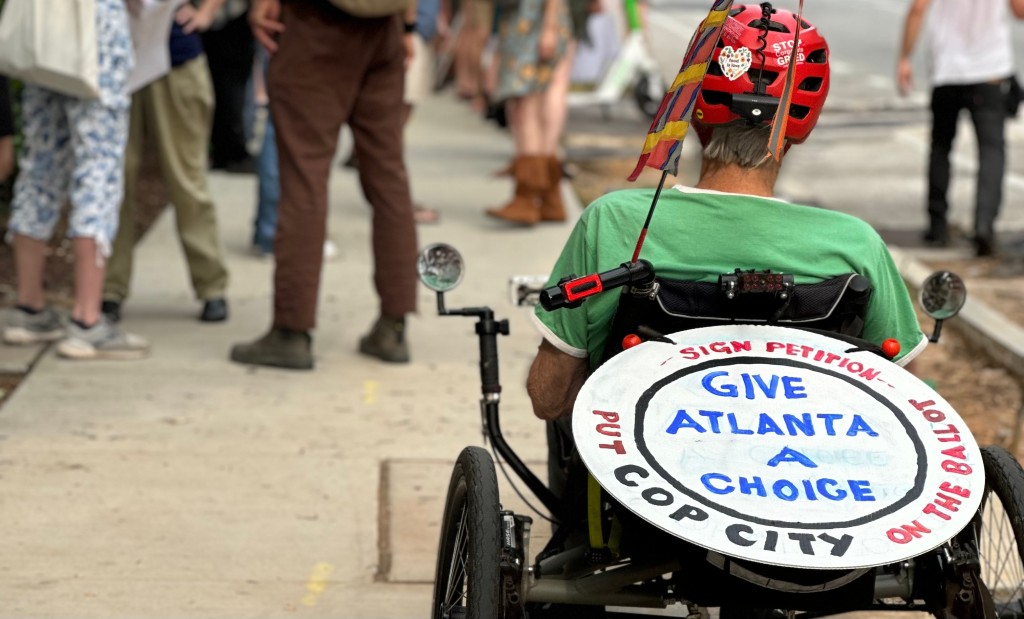
Tom helped organize the first chapter of the Georgia Arborist Association, the state chapter of the International Society of Arboriculture. An avid tree climber, he traveled to New England and other regions of the US to teach tree climbing workshops. He and Stephanie were among the first in Atlanta to experiment with alternative urban transportation. Both could be spotted frequently in the Virginia Highlands neighborhood, speeding along through stalled traffic on their recumbent trikes, proudly sportingpro a rainbow flag.
Tom leaves behind his partner of fifty-eight years, Stephanie, his sons Zachary and Simon, daughter-in-laws Jill Fantauzza and Kira Zender, grandchildren Sofia, Geronimo, and Vivian Coffin, adopted daughter Ha Nguyen and family, and brother Howard. In lieu of flowers, the family requests that donations be made to WRFG, Radio Free Georgia 89.3 or Trees Atlanta
No paywall. No corporate sponsors. No corporate ownership.
Help keep it that way by becoming a monthly donor today.
Free news isn’t cheap to make.
Author

Related Articles

Remembering Father George Makhlouf, Nakba survivor and Antiochian priest who lived in Duluth
Father George Makhlouf, born in Jerusalem in 1943, was a retired Antiochian priest who survived the Nakba in Palestine and lived in Duluth, Georgia. Makhlouf passed away yesterday, Dec. 21.