Meet the Atlanta City Council candidates: Thomas Worthy for District 7
With experience on the boards of Georgia Chamber of Commerce and Atlanta Police Foundation, North Buckhead resident Thomas Worthy wants to lower taxes while enhancing infrastructure and public safety.
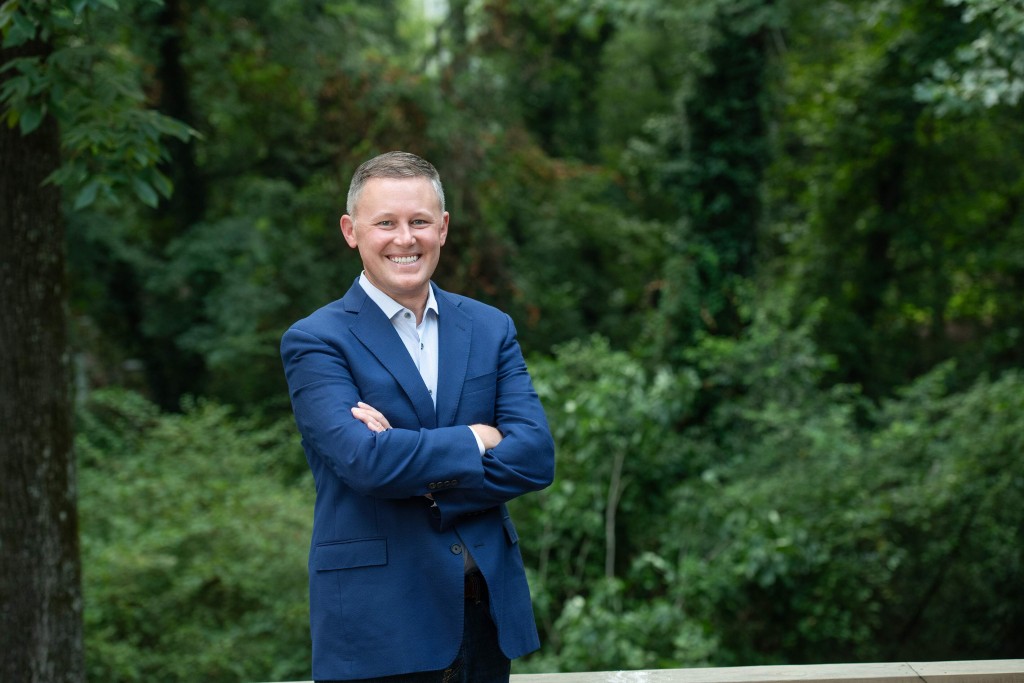
Tomorrow, the entire Atlanta City Council is up for election, including the District 7 position, from which longtime Council Member Howard Shook is retiring. This article focuses on Thomas Worthy, a health care executive and lawyer who was counsel for former Gov. Nathan Deal. His answers to Atlanta Community Press Collective questions about his background, District 7 and priorities if elected are below.
Answers are condensed for space.
How would you describe District 7 in its qualities and challenges?
District 7 is one of Atlanta’s most civically engaged and diverse. It’s home to vibrant neighborhoods, excellent schools, strong business districts and residents deeply invested in their community. The district combines the energy of urban living with the character of established neighborhoods and a strong sense of pride.
But District 7 also faces major challenges. Infrastructure tops that list. Roads, sidewalks, stormwater systems and streetlights are in poor condition despite the significant revenue the district generates. Traffic and flooding remain persistent concerns, especially along Peachtree, Roswell and Piedmont roads and the Peachtree Creek corridor.
Residents are rightfully frustrated and want visible, measurable progress. My focus is on ensuring city investments match what this district contributes—through stronger coordination among city departments, targeted green infrastructure and aggressive pursuit of state and federal funds. District 7 deserves a government that works as hard as its residents.
Your legal career includes a focus on criminal justice policy. How would you implement that on council, including for public safety in general?
From 2011 to 2016, I served as co-chair of the Georgia Council on Criminal Justice Reform, advancing statewide reforms that reduced recidivism, expanded reentry programs and improved fairness. Incarceration should be reserved for violent offenders who pose a true threat to safety, not a substitute for mental health care, addiction treatment or poverty intervention.
That same philosophy will guide my work on City Council. Safety must be both strong and smart. As a former Atlanta Police Foundation board member, I’ve seen how well-trained, professional first responders build trust and safety in every neighborhood. I support fully utilizing the Public Safety Training Center to improve de-escalation, crisis response and transparency in policing.
Prevention is just as vital. I’ll work to expand violence interruption programs, youth engagement and mental health supports so wraparound services reach those most at risk. Atlanta’s public safety strategy must pair compassion with accountability and address the root causes of crime.
No paywall. No corporate sponsors. No corporate ownership.
Help keep it that way by becoming a monthly donor today.
Free news isn’t cheap to make.
As board member of the Georgia Chamber of Commerce and Atlanta Police Foundation, former counsel to Gov. Nathan Deal and now a longtime executive, how would you assure everyday Atlantans that you represent their collective interests?
My experience has shown me how complex systems can either serve people well or leave them behind. I’ve spent my career fixing those systems to make them work better for everyone. I understand frustration when city services fall short or decisions at City Hall feel disconnected from daily life.
At Piedmont Healthcare, I lead a $900 million community benefit program that funds care for at-risk and underserved populations. I work with clinics, nonprofits and small businesses to improve access to health care and support working families. As MARTA Board Chair, I helped secure the largest worker pay raise in two decades while improving reliability and safety. Public transit is not a luxury; it’s a lifeline for Atlantans.
As a husband raising three children in North Buckhead, I share the same day-to-day challenges as my neighbors—traffic, water bills and aging infrastructure. I’m running for City Council to get the basics right: safer streets, better roads, reliable water and responsive service.
My record shows I’m pragmatic, transparent and not ideological. I’ve worked across party lines to deliver results on justice reform, health care and transit, and I’ll continue that approach as a representative for all Atlantans.
What is your plan for lowering taxes while enhancing infrastructure without affecting services, especially when federal and state funding have lessened?
Atlanta must be disciplined, creative and transparent about how we fund growth. My approach starts with identifying new revenue tools that do not overburden working families.
First, the City should conduct a full review of permit, license and impact fees. Many haven’t been updated in decades. Bringing them to modern levels would generate millions without raising tax rates. Second, I support expanding funding tools such as tax allocation districts, special service districts and public-private partnerships so growth helps pay for the infrastructure it requires.
We must also manage what we already have more efficiently. As MARTA Chair, I led budget discipline efforts that achieved historic labor agreements while preserving a AAA bond rating. I’ll bring that same accountability to City Hall, setting clear goals and publishing progress so residents see where their tax dollars go.
Finally, Atlanta must aggressively compete for federal and state grants to upgrade water, transit and trail infrastructure. By pairing smart financing with strong management, we can modernize essential systems and keep taxes low.
What are your thoughts on the recent tree ordinance, Beltline Rail and the clean energy and green infrastructure Atlanta should pursue?
Atlanta’s tree canopy, transit network and sustainability goals are connected and define how livable and resilient our city will be.
The new tree protection ordinance was a step forward, but it didn’t go far enough. We need a stronger, simpler, enforceable code that balances development with preservation, increases penalties for violations and ensures adequate replanting and staffing for the Arborist Division.
I support connecting the Beltline to MARTA through infill stations and reliable feeder service, paired with investments in bus rapid transit and trails that link jobs and housing. That is more cost-effective and community-focused than the proposed streetcar expansion.
Atlanta must lead on clean energy and resilience by electrifying the city fleet, expanding green stormwater infrastructure and protecting floodplains along Peachtree Creek. Our sustainability strategy must prioritize neighborhoods most vulnerable to flooding, heat and poor air quality, ensuring progress is equitable across the city.
On a policy level, how would your approach differ from outgoing District 7 Council Member Howard Shook?
Council Member Shook served District 7 with distinction for over two decades. While I respect and appreciate his service, this moment calls for a more active, engaged approach.
I will bring new energy—meeting regularly with residents, issuing monthly newsletters and hosting community town halls to maintain accountability. I intend to be one of the most accessible council members in Atlanta.
My policy focus will also differ. I will push for infrastructure equity to ensure District 7 sees its fair share of reinvestment in roads, sidewalks and stormwater systems. I’ll prioritize public communication and accountability tools so residents can track progress in real time.
While I’ll collaborate with the Mayor’s Office when it benefits residents, I will remain an independent voice for the district. My goal isn’t to be a rubber stamp for anyone, but to deliver results for the people who live here.
For more information on Worthy and his platform, visit worthyforatlanta.com.
Related Articles

Georgia law students say “Hell no” to ICE recruiting at interscholastic career fair
Hundreds of students and dozens of organizations across Georgia’s five major law schools demand ICE be uninvited to the schools’ Public Sector Career Fair this Friday.
Dunwoody City Council votes to defer Flock contract over data use concerns
A viral video showing the ease of accessing live feeds from Flock cameras prompted deep questioning of the company’s data practices and contract changes.