Meet the Atlanta City Council candidates: Kelsea Bond for District 2
Local organizer Kelsea Bond sees Atlanta at a crossroads, with District 2 as a microcosm of the city’s affordable housing, mass transit and public infrastructure needs.
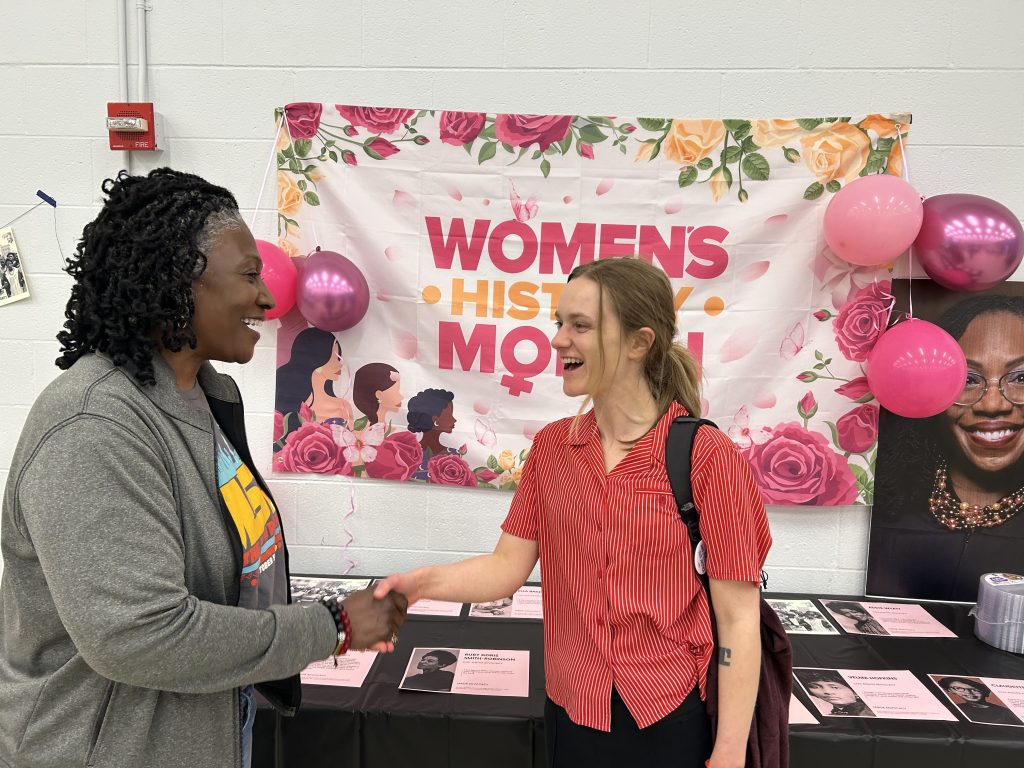
This November, the entire Atlanta City Council is up for election, including the District 2 position, which council member Amir Farokhi recently announced he would vacate to lead the Galloway School. One candidate is Kelsea Bond—a longtime local policy professional, progressive advocate and labor organizer—whose answers appear below to Atlanta Community Press Collective questions about their background, District 2 and objectives if elected.
Answers are condensed for space.
How would you describe what distinguishes District 2 from the rest of Atlanta?
District 2 is the densest district, relatively young and at the center of many core debates that will shape our city’s future—including Beltline Rail and housing density. Atlanta has many antiquated zoning laws, which make it harder to build affordable, dense, mixed-use, multi-family housing. We’re at a turning point, as tens of thousands of people are on track to move to the city in the coming years. We need to make sure Atlanta is equipped with enough affordable housing, sustainable infrastructure and accessible public transit to meet this moment, and many of these fights are playing out in real time in District 2.
Your political experience has been predominantly in labor organizing and progressive advocacy. How does that translate to representing District 2 specifically, on a policy level?
Over the last several years, I have organized as a union member, abortion rights advocate, political campaign manager and more to fight for the rights of Atlanta workers. I also worked as a public servant in education policy for nearly a decade. My policy priorities are shaped by my experience organizing within the labor movement and championing a higher standard of living for workers. Atlanta is becoming increasingly unaffordable for everyone, especially low-income and service workers who struggle to cover the costs of rent and transportation to and from work. This is why, while many labor protections are preempted by the state, housing and transit are central to our campaign’s political vision. We need to use every tool in the book to make Atlanta an affordable place to live for working families of all types.
What are the unique challenges of District 2 that you would engage as a council member?
District 2 has become less and less affordable, with rising costs and stagnant wages overwhelming working families and displacing them out of the city entirely. Gentrification has also disproportionately impacted historically Black neighborhoods like Old Fourth Ward. On top of the housing crisis, our city is decades behind where we need to be on public transit. In spite of this, corporate interests have pressured the mayor to stall plans to build light rail on the Eastside Beltline Trail. Our campaign centers housing and transit because they are the biggest expenses for working people each month. We owe it to future generations to intervene now to keep Atlanta affordable, green and resilient in the face of climate change.
What are the biggest issues for the entire city you’d address?
I believe income inequality, the housing crisis and the lack of mass transit are the top issues facing our city. Atlanta is hosting the World Cup next year, yet we have failed to deliver on infrastructure and public transit projects necessary to sustain such an event. Our city also lacks a real plan to house our 3,000-plus houseless neighbors and continues the violent encampment sweeps which led to the tragic killing of Cornelius Taylor earlier this year. With the World Cup on the way, we need to ensure our city does not repeat the mistakes of the 1996 Olympics. This means we must direct funds toward public infrastructure, affordable housing and mass transit in a way that benefits our communities—not just the tourism industry.
More than three-fourths of contributions to your campaign last reporting period were for less than $100. How have you sustained your campaign that way, and how does that compare with the Atlanta Way?
Campaign contributions paint a picture of who a candidate will serve in office. I believe working people should set our city’s policy agenda—not corporations or real estate developers—which is why I am the only candidate running in District 2 who has publicly pledged to refuse corporate money. We’ve raised over $120,000 from 2,700-plus contributions, a historic achievement for a grassroots, volunteer-led campaign that demonstrates the popularity of our progressive platform on affordable housing, green public transit and alternatives to policing.
The Atlanta Way prioritizes the will of Atlanta’s wealthy elite—the same interests that advocated for Cop City and now block Beltline Rail. I’m running to chart a new path for Atlanta politics that centers the needs of working people, not the billionaires.
Tell us about your broader political journey. What led to you becoming a democratic socialist, and how do you see that fitting with this Council?
I am a democratic socialist because I believe that housing, healthcare, education and a clean environment are human rights. To me, democratic socialism means expanding democracy into all spheres of life—our government, workplaces and neighborhoods. Right now, we lack democracy at all levels of government because corporate money dominates politics and right-wingers suppress the vote. This has been deeply felt by Atlantans who fought for a referendum on Cop City, as well as transit advocates disappointed in the Mayor’s unilateral decision to stall Beltline Rail despite an overwhelming voter mandate. In both of these fights, we saw corporate money influence key political decisions in direct contrast with voter opinion. In office, I will fight to bring democracy to City Hall by pushing for transparency, accessibility and accountability in government.
For more information on Bond and their platform, visit kelseabond.com.
No paywall. No corporate sponsors. No corporate ownership.
Help keep it that way by becoming a monthly donor today.
Free news isn't cheap to make.
Related Articles

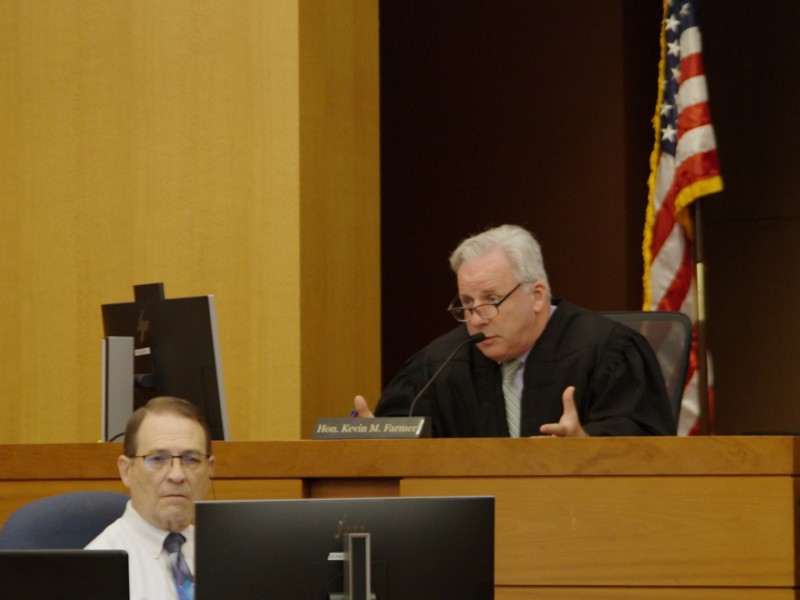
What’s happening with the Cop City domestic terrorism, RICO charges?
In Fulton County, a judge dismissed the 61-person Cop City racketeering charge while also ruling that domestic terrorism charges could move forward. On the same day, an activist filed a motion to dismiss her domestic terrorism charge in DeKalb County.