Under the Gold Dome: 2025 legislative session wraps up
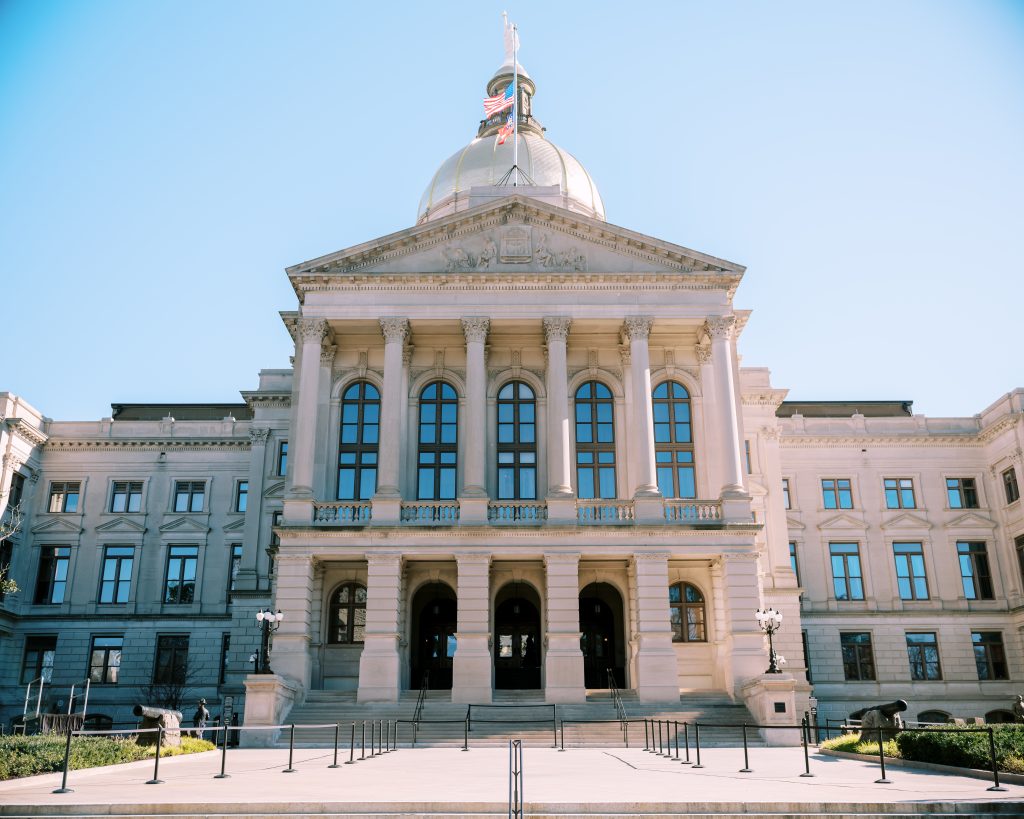
Georgia just finished the first year of its 158th bi-annual legislative session. The legislature sent some significant bills to the governor but left many others behind. Gov. Kemp has 40 days to either sign, veto, or let bills become law without his signature. He also can exercise a line-item veto of appropriations in the budget. Bills that survive go into effect on the first of July unless otherwise specified.
ACPC has followed select bills throughout the legislative session. Here’s a look at some of what passed and what did not.
Transphobic bills
The debate on bills relating to the rights of transgender individuals took up a significant amount of time this session in committees and on the floor of the House and Senate.
Senate Bill 1, the Fair and Safe Opportunities Act, passed. It requires transgender youth to participate in sports that align with their gender at birth. Aspects of a similar bill, House Bill 267, the Riley Gaines Act, were melded into SB 1. During debate on the House floor, Rep. Jasmine Clark noted that this bill could harm transgender people and possibly subject transgender and cisgender women and girls to invasive and traumatizing gender checks.
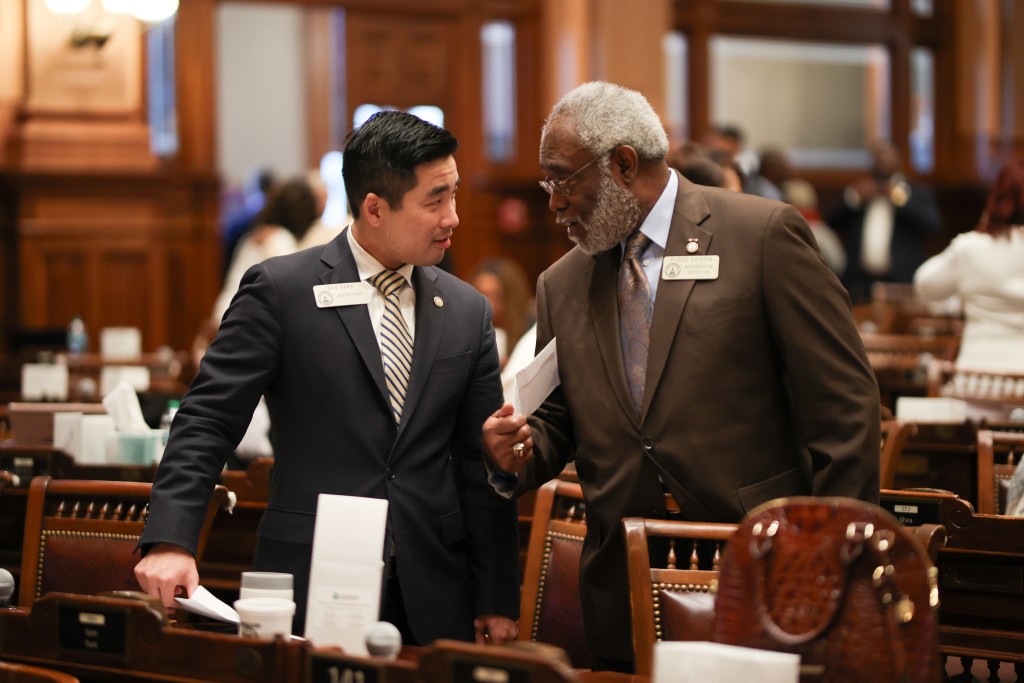
SB 185, prohibiting gender-affirming care for incarcerated individuals, also passed. This bill passed the Senate, but when it came to the floor of the House, practically all the Democrats walked out and held an impromptu press conference, charging that it was a waste of time and likely unconstitutional. 70 House Democrats were recorded as not voting.
Jeff Graham, executive director of Georgia Equality, testified against these bills this session in several committees, pointing out that Georgia has been sued 19 times regarding transgender discrimination since 2015, and the State has never won a lawsuit. Graham said the cost to taxpayers for these lawsuits has been just over $4 million.
After a decade of trying, the Republicans were finally able to pass a so-called Religious Freedom Restoration Act or RFRA bill, SB 36. It purports to protect minority religious groups, but similar laws have been used in other states to discriminate against those in the LGBTQ+ community.
Surprisingly, two anti-trans bills that would affect minors did not pass despite both being in the queue for a vote in the House on the last day of the session. SB 30 would have prohibited minors from access to gender-affirming care, and SB 39 would have restricted the state health insurance plan from paying for any gender-affirming care.
No paywall. No corporate sponsors. No corporate ownership.
Help keep it that way by becoming a monthly donor today.
Free news isn’t cheap to make.
What else crossed the finish line
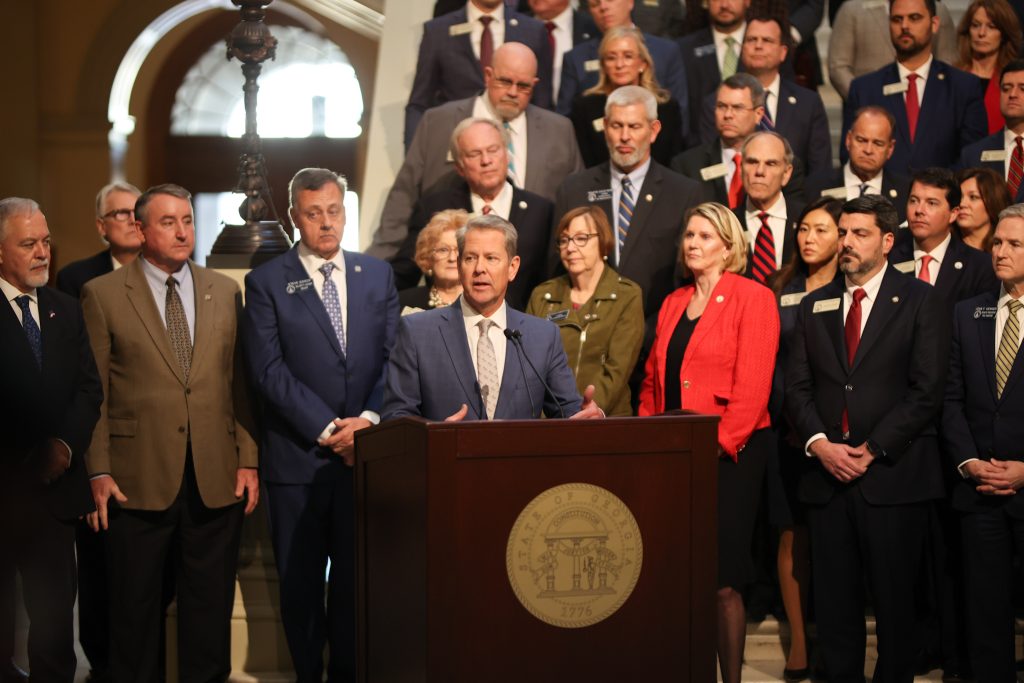
The governor’s tort reform bills, SB 68 and 69, passed earlier in the session. SB 68 implements certain changes in litigation procedures when a person seeks redress for an injury. This bill was supported by a wide range of businesses, including the health industry (including hospitals and medical professionals), restaurants and other establishments, and insurance companies, with the promise that insurance liability rates would go down or at least stabilize. Opponents argued the bill would shield businesses from liability.
In a state that has been a leader in supporting the death penalty and executing prisoners, HB 123 passed with strong bipartisan support. The bill makes it harder for the state to execute a person who has an intellectual disability. This disability issue can now be raised and determined during pretrial motions rather than in the penalty phase of a death penalty trial.
Speaker Burns’ HB 268, a school safety bill, passed without the provision for a statewide database of students who had made terroristic threats. This omission reduced concerns over privacy issues. This bill was in response to the Apalachee High School shooting last fall, but contained no gun safety measures.
What Did Not Pass
Surprisingly, a number of Republican bills, some that were poised to receive positive votes, ended up on the cutting room floor at the last minute, partly because the Senate adjourned early. Most of these bills were vigorously opposed by Democrats, progressive lobbyists, and activists. They include:
- SB 21 would have removed sovereign immunity for city and county officials who participated in any sanctuary activities for immigrants.
- SB 9 would have stiffened penalties for using AI in the commission of a crime.
- SB 29 would have required DNA collection from anyone charged with a felony.
- SB 61 would have permitted youth ages 13 to 17 to be tried as adults in superior court for committing a terroristic act or making a terroristic threat.
- SB 74 would have criminalized librarians and exposed them to frivolous prosecution for displaying “obscene” materials in school libraries.
- SB 47 would have created an 11-day tax ”holiday” for firearm sales during the first days of hunting season.
- HB 397 would have made a number of changes in the election processes, including removing Georgia from the ERIC database system, which helps states keep clean voter rolls, and giving significant additional power to the State Election Board.
- SB 28, the Red Tape Roll Back Act, which the Republicans jokingly called the Georgia DOGE bill, would have required state agencies to review and justify expenditures.
Some bills that had bi-partisan support also did not pass:
- The Consumer Utility Council bill, SB 94, was tabled in the Senate and thus did not cross over to the House in time to be considered.
- The two bills that would have helped protect the Okefenokee Swamp from future mining, HB 561 and 562 did not make it out of a House committee.
- The various gun safety bills, such as HB 1, the Pediatric Health Safe Storage Act.
Any bills that were introduced, but not voted on, are stiil viable for next session that starts in January 2026. These bills go back to the committee where they were originally assigned.
Budget Highlights
Approving the budget that starts in July of each year is the one thing the Georgia Constitution requires the legislature to enact each session. Budget bills originate in the House and, unlike the federal budget, must be balanced. Highlights of this year’s budget include:
- A $15 million allocation for an opportunity weight, providing for the first time additional funds for students experiencing poverty in public K-12 schools. Georgia was only one of six states that did not have this extra support.
- An additional $18.6 million for student mental health support grants, $12.5 million for after-school programs, and $2.4 million for social work services.
- An increase in the money available for private school vouchers, which drains tax dollars for our public school systems around the state.
Other bills passed that affect the state’s finances include HB 136, which creates a non-refundable Child Tax Credit of $250 per child and increases the state’s existing non-refundable Child and Dependent Care Tax Credit from 30% to 50% of the federal credit and also provides some additional financial support for foster children.
Study Committees
The legislature established a few study committees, which will be meeting during the remainder of this year. These meetings are usually held around the state and provide the public an opportunity to give testimony on the topic being studied and can help shape legislation for the next session. Study committees for 2025 include: The Senate Rosenwald Schools Study Committee, the Senate Addressing Felon Disenfranchisement in Georgia’s Constitution Study Committee, and the Senate Civil Rights Protections Study Committee.
Looking back on the 2025 legislative session
This year’s legislative session was notable for several reasons. Hot tempers, criticism, and back-biting seemed to be more prevalent and out in the open this year than is typical, including snipping between the two chambers. And the imprint of the Trump DOGE governing style trickled down to the Gold Dome in notable ways. While the Democrats are slowly growing in number towards gaining a majority, especially in the House, Republicans continue to resist working for compromise and bipartisanship on good legislation. Additionally, they employ various tactics to subvert any Democratic input, such as not allowing any amendments on the floor of either chamber, and either limiting or not allowing any public testimony in committee meetings.
“There was an over-arching, bizarre aspect to the entire session,” said long-time Senator Nan Orrock. “[On the federal level], we had the actions of the Trump DOGE crowd that were tearing up agencies and summarily firing people and taking down huge government operations in the backdrop to our session. Yet there was a feigned air of normalcy.” During this session, Orrock feels that the legislature failed to acknowledge the potential budget shortfalls that could happen soon, stemming from executive orders from Washington.
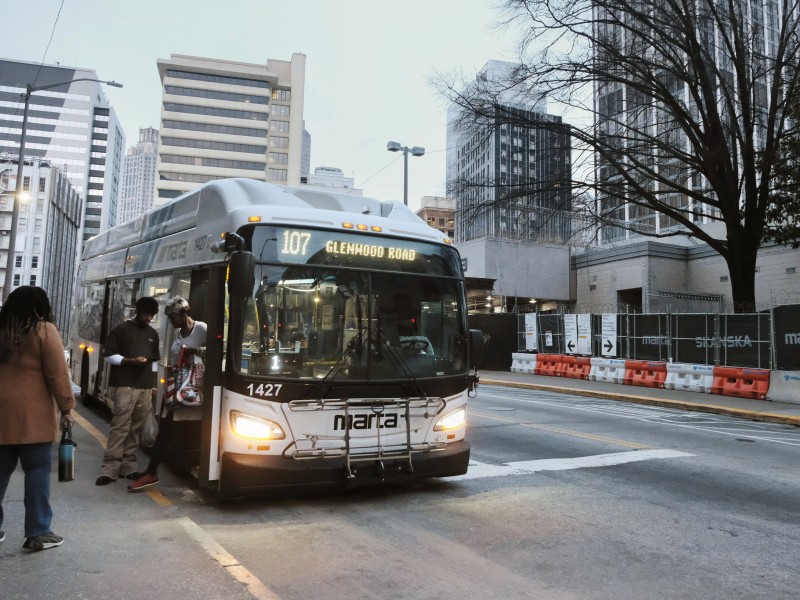
On a number of days this session, Yana Batra was at the Capitol. Batra co-founded the Georgia Youth Justice Coalition and now serves as the organization’s chief of staff in addition to being a junior at Georgia Tech. “Every year, GYJC works to overcome barrier after barrier—from committee hearings constantly rescheduled to Atlanta’s lacking public transit system [to get to the Capitol]—to make sure young people’s voices are heard in our State Capitol,” said Batra. “That’s why I was as surprised as anyone when the Senate decided to adjourn hours earlier than normal: Leaving the people’s business unfinished while prioritizing harmful policies like tort reform and RFRA.”
Author

Related Articles
A Rohingya man in New York died under mysterious circumstances— his relatives in Georgia are grappling with the loss
Federal immigration officers left Nurul Amin Shah Alam outside a closed coffee shop in harsh winter weather— days later he was found dead. He was getting ready to move to Georgia, says his niece in Stone Mountain.