SB 12 would restrict ability to request public records from private contractors
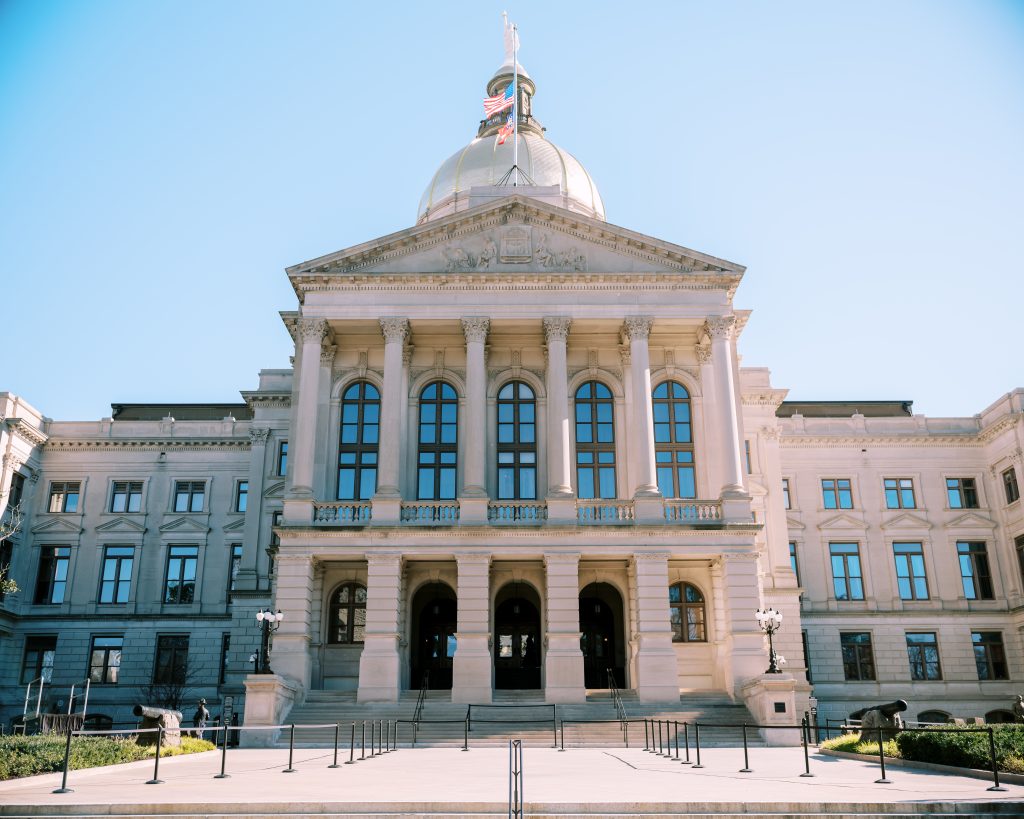
Georgia lawmakers are considering a bill that would restrict the public’s right of access under the state public records law. Senate Bill 12 would prevent requesters from obtaining public records directly from private entities that contract with government agencies, instead requiring requesters to submit requests to government agencies even when the records sought are held by private entities.
The Georgia Open Records Act (ORA), passed in 1959, requires the production of public records in response to a records request. The law states that a request may be submitted to “the custodian of a public record.” The ORA includes in its definition of “public record” those held by private contractors performing a service on behalf of the government.
Public access to private contractors’ records is important for public accountability. Last January, the Atlanta Community Press Collective (ACPC) filed a lawsuit under the ORA against the Atlanta Police Foundation (APF), the private entity behind the Atlanta Public Safety Training Center, or “Cop City.” The suit alleges that APF violated the ORA for failing to respond to requests seeking records related to Cop City. The case is ongoing before the Fulton County Superior Court.
Last year, the Georgia Supreme Court unanimously held in Milliron v. Antonakakis that a request for public records related to a private contractor’s services to a public agency can be submitted directly to the contractor. If SB 12 passes and the ORA is amended, the expansive reading of the ORA that the Georgia Supreme Court adopted in Milliron would no longer apply.
SB 12 would undo the strides in favor of public access that Milliron achieved. The bill would modify the ORA by defining the term “custodian” as “the agency that has charge, custody, care, and control over a public record.” This means that if a requester seeks records in the custody of a private contractor, they can no longer submit a request directly to the contractor. Instead, they must submit a request to the government agency working with the contractor. The government agency would then be responsible for obtaining the records from the private contractor, which the ORA already requires it to do.

While SB 12 might have the incidental effect of resolving the question of who a proper recipient of an ORA request is, the original version of the bill, which wholly insulated private entities from being required to produce public records, reveals lawmakers’ true intent behind introducing the legislation. That version of the bill, introduced in January, would have entirely excluded records held by private entities from access under the ORA.
Richard T. Griffiths, longtime journalist and board member of the Georgia First Amendment Foundation, said the original version of SB 12 would have made it “almost impossible” to obtain records from a private contractor. When an agency is able to keep its records with private entities exempt from disclosure, it becomes an “open season for municipalities, counties, state agencies to contract with ‘document evado’ incorporated,” Griffiths said. He hopes the current version of the bill, which does provide an avenue for obtaining records from private contractors—albeit in a roundabout way—will eliminate that possibility.

“If you’re doing the work of government, you should be willing to do all the work of government, which is to make your operations transparent to the public,” Griffiths said.
Jake Shore is a public safety reporter for The Current, a nonprofit news outlet based in Savannah. His work requires him to submit ORA requests on a regular basis. He said that while he understands why government agencies sometimes have to contract work out—“because they don’t have expertise in everything”—the practice of government contracting with private entities can make public accountability “a little murky.”
No paywall. No corporate sponsors. No corporate ownership.
Help keep it that way by becoming a monthly donor today.
Free news isn’t cheap to make.
“This work is being done on behalf of the public, but there might not be as much oversight with their work as there is for government,” Shore said.
Declaring government agencies as the only legal custodians could further hinder access. Shore said, “We’re still going to have to take the agency’s word.”
SB 12 survived Crossover Day and is continuing to move through the Georgia Legislature.
Authors

Related Articles

A Rohingya man in New York died under mysterious circumstances— his relatives in Georgia are grappling with the loss
Federal immigration officers left Nurul Amin Shah Alam outside a closed coffee shop in harsh winter weather— days later he was found dead. He was getting ready to move to Georgia, says his niece in Stone Mountain.

Comments (1)
Comments are closed.