The Third Annual First Voices Festival celebrates Indigenous Culture with Powwow in Little Five Points

by Layla Amar
Photography by John Arthur Brown
Edited by Samantha Hamilton
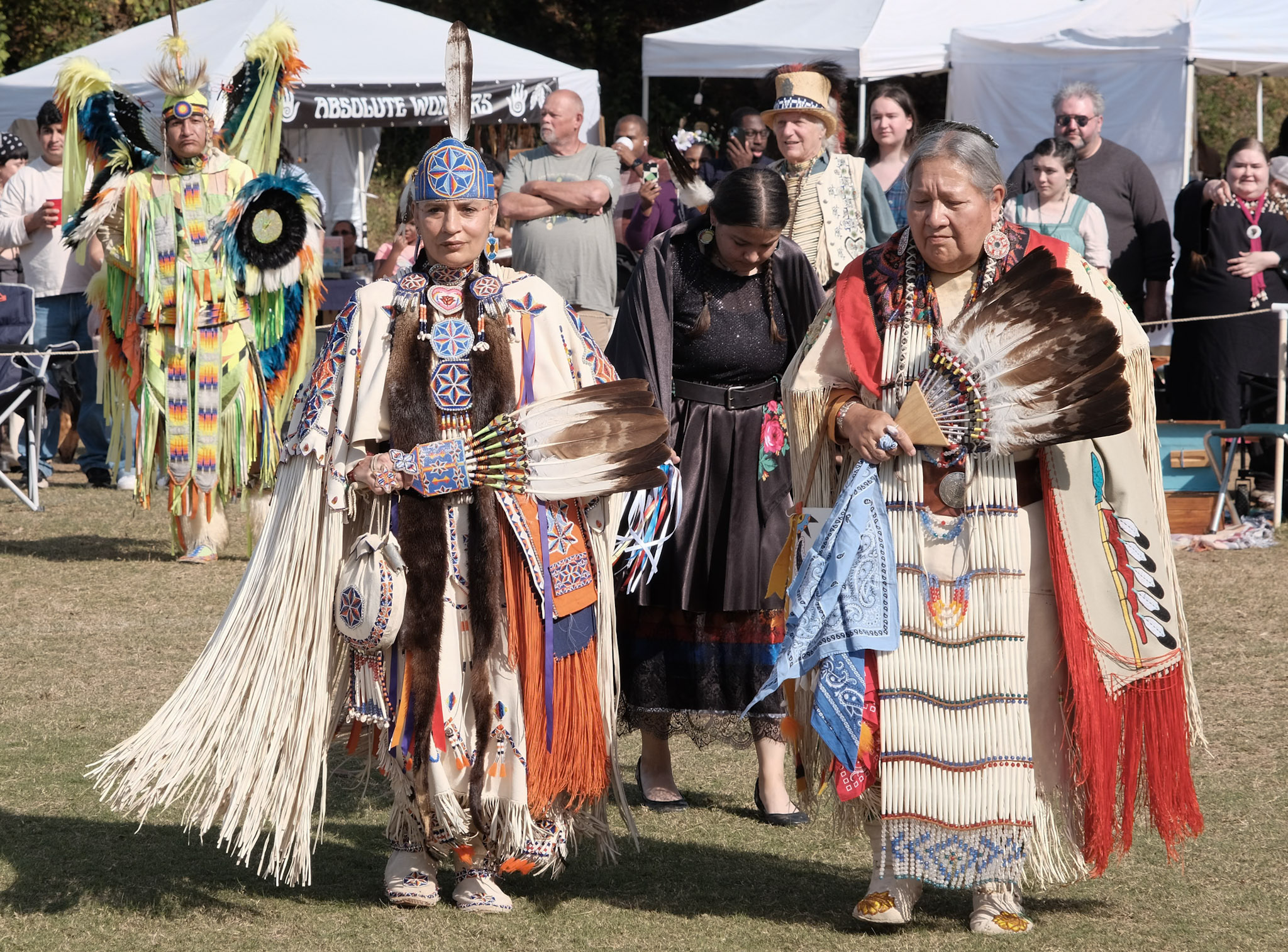
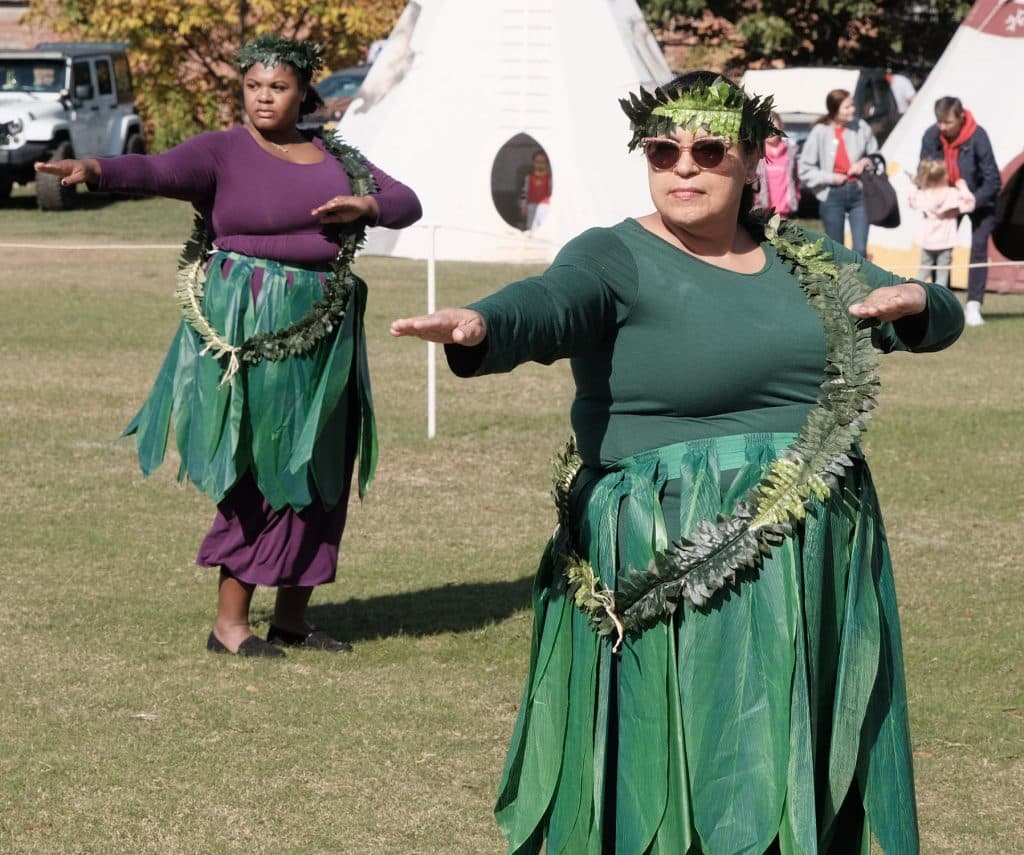
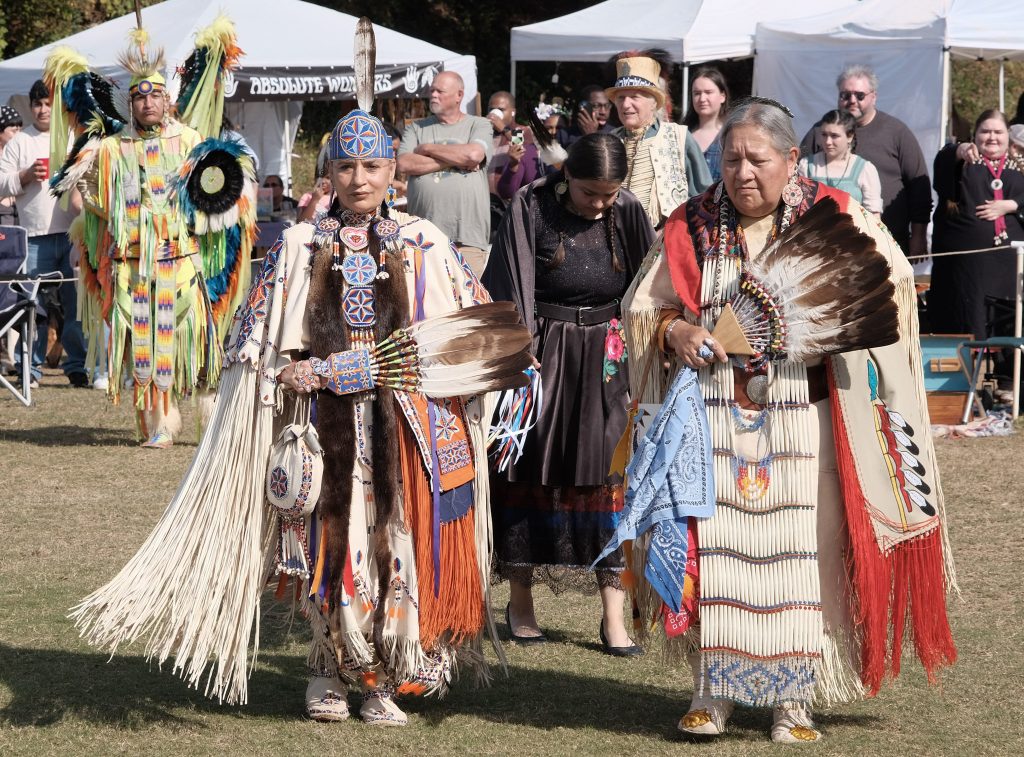
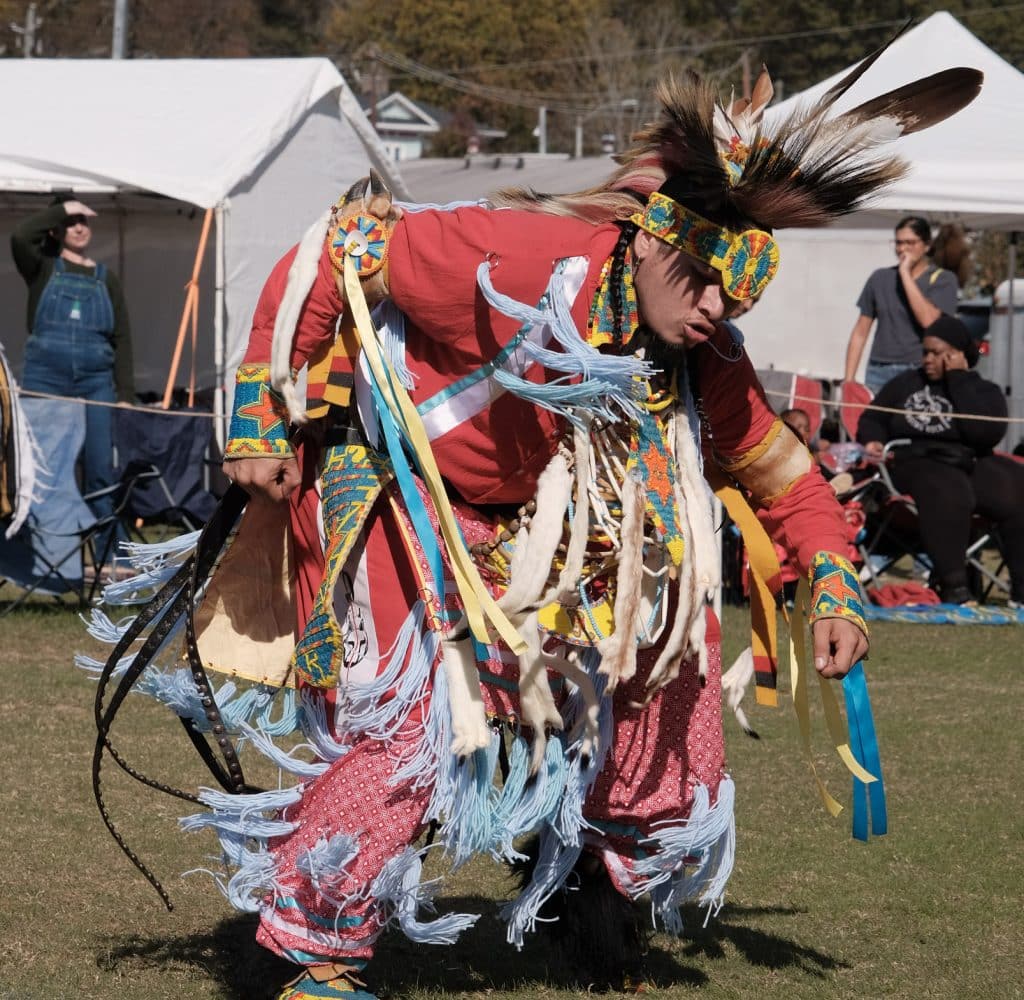
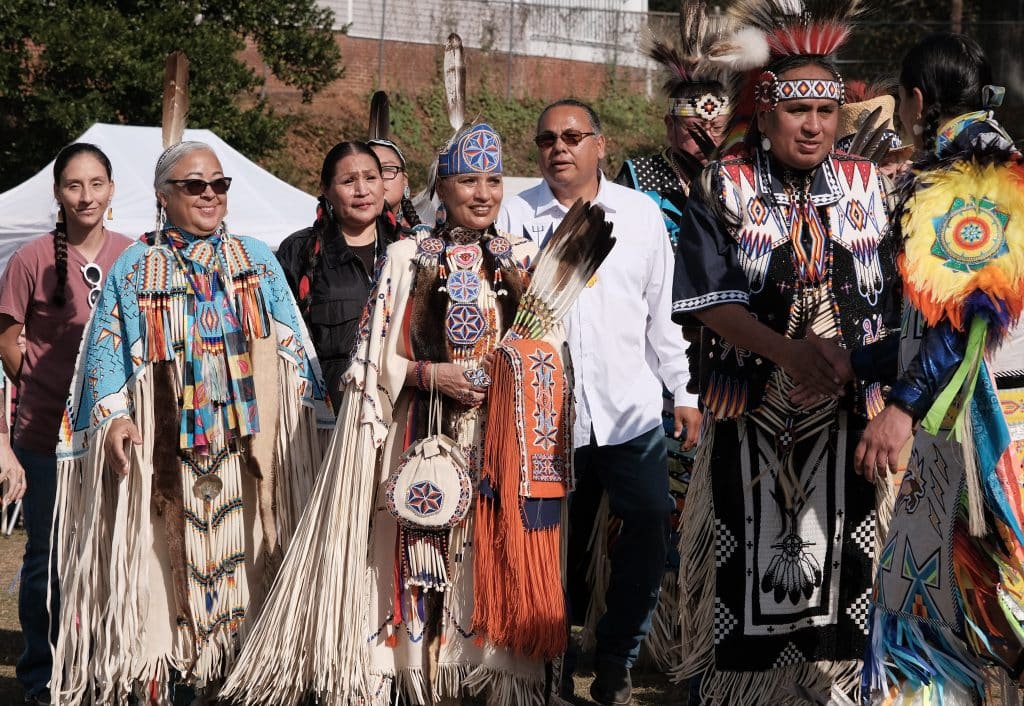
This November marks the third annual First Voices Festival, a vibrant celebration of Indigenous cultures during Native American Heritage Month. This past weekend, community members gathered for a Powwow in Little Five Points. The event featured traditional dances, music, food, art, and customs from Indigenous peoples across Turtle Island.
The Powwow took place on Muscogee Land. The Muscogee people are native to present-day Georgia. Despite being forcibly expelled to Oklahoma by the U.S. government, this land continues to be a fundamental part of their identity and history.
A powwow is a celebration of community and culture where Indigenous people share a variety of intertribal dances and songs that tell the stories of warriors, animals, and nature. This weekend’s celebration included an array of Indigenous artists selling cultural wares and food vendors such as Fry Bread from Three Sisters Soulfood.
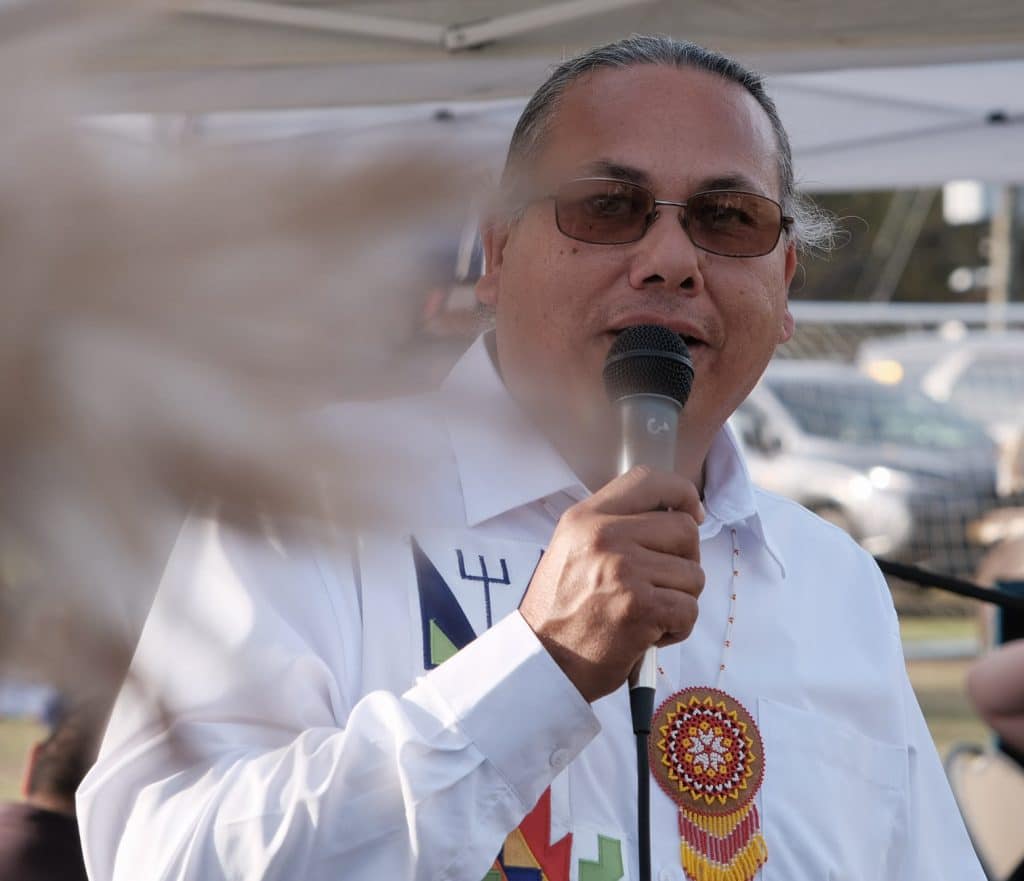
Tatankala “Buffalo” Yellowbird, a citizen of the Lakota Sioux Nation, hosted the Powwow and was excited to share different Indigenous cultures with the Atlanta community. Buffalo emphasized that these are sacred dances meant to connect with one’s land and spirit. The rhythmic beat from the drum circles often coincides with the dancers’ movements, and in some dances, the movements themselves mimic specific creatures, such as crows, in order to honor and connect to the Earth’s animals. The dancers were accompanied by drum circles, with guests in the Northern Drum from Rattle Snake Mountain and the Southern Drum from Southside.
“The drum is the heartbeat of our Nation for Mother Earth,” Buffalo said.
The First Voices Festival honors the continuation of Indigenous culture, which is essential for addressing the colonial violence and Indigenous erasure that have been perpetrated on Turtle Island — on Indigenous land. “This is part of the culture that America is really missing. I mean, how many of y’all really believed that there are still Native Americans before today?” Buffalo said.
Members of Indigenous communities put time and effort into upholding their culture through preparing dances, but also through their intricate, colorful, beaded regalia that connects to their tribe and ancestors.
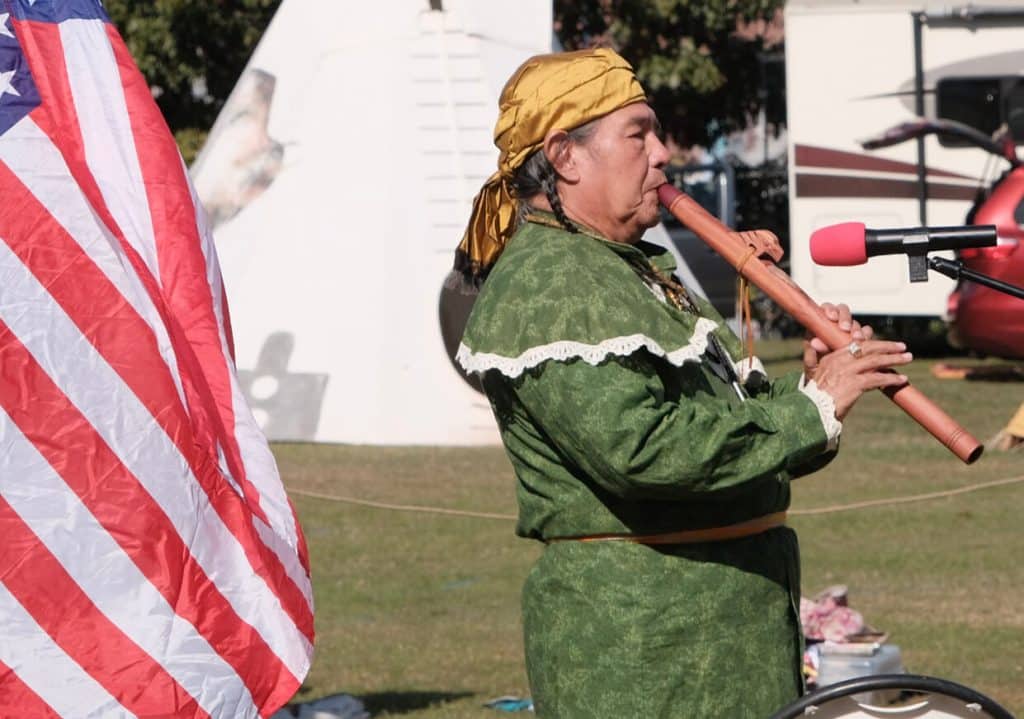
The powwow amplified the power of storytelling as a method of passing down and continuing Indigenous culture. William Harjo, a citizen of Muscogee homelands, is a storyteller and flute maker who shared tales from his life interspersed by songs on the flute. Harjo has been making flutes for over 30 years, handcrafting each one from river cane. The Muscogee elder explained the importance of oral histories, especially since the European colonization of Turtle Island led to misrepresentation and erasure.
“The word ‘Creek’ is a misnomer because when the Europeans first arrived they noticed we had our tribal towns located on creeks. So, they put their ‘brilliant’ minds to work and said, ah, they live on creeks, they must be Creek Indians,” Harjo said.
The Powwow highlighted the significance of intergenerational connection from Indigenous elders passing on their traditions to their children, grandchildren, and community members of all ages from toddlers to young adults.
“Just like a plant, you gotta water them [the children] from time to time,” Buffalo said. “They are a seed. Watch them grow. Help them along the way. It’s a part of our culture—part of what we do every day.”
The First Voices Festival started on November 7 and runs through November 29. The festival includes a theatrical performance by Nicolette Emanuelle titled What Are You? and screenings of Bad River at the Plaza Theater. For more information, visit: https://www.7stages.org.
No paywall. No corporate sponsors. No corporate ownership.
Help keep it that way by becoming a monthly donor today.
Free news isn't cheap to make.
Author

Related Articles
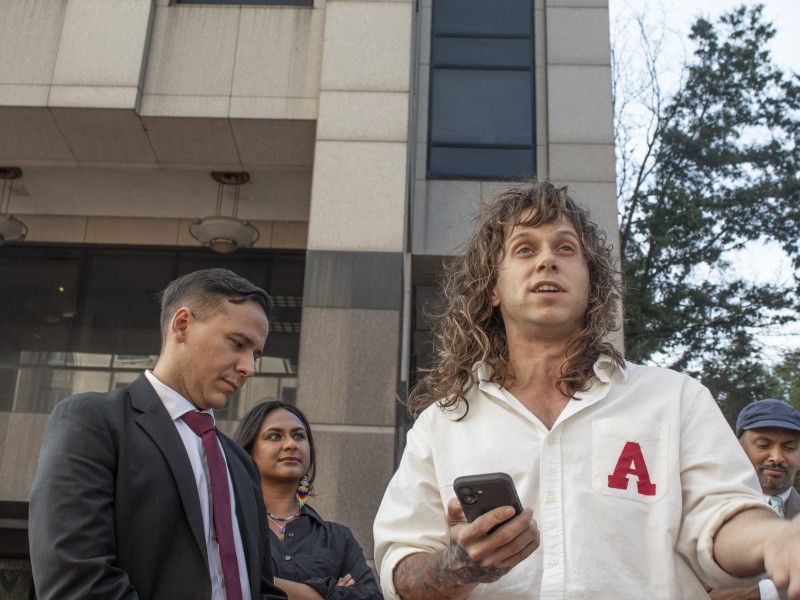
Georgia Court of Appeals will take up ‘Cop City’ RICO case
Attorney General Chris Carr appealed Fulton County Superior Court Judge Kevin A. Farmer’s dismissal of racketeering charges against 61 people. The Georgia Court of Appeals accepted the application on Wednesday, despite process challenges from the defense.
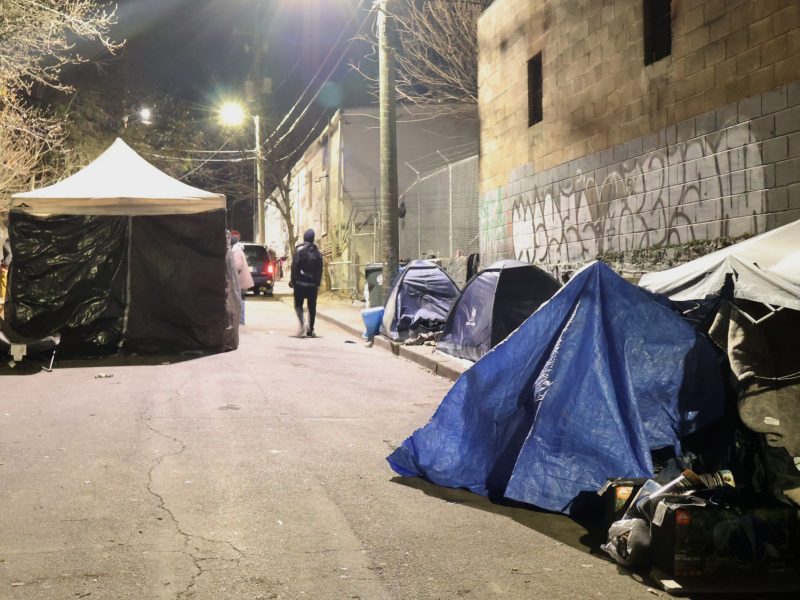
Local orgs fear further criminalized homelessness in HB 295, advanced from Public Safety Committee
The 8-5 vote marked the third straight year the bill proceeded to the House floor, where it was withdrawn last year without a full-House vote.