Gov. Kemp: Increasing cash bail requirements only perpetuates systemic inequity
The harm caused by mass criminalization and incarceration, the escalating overdose crisis, and lack of adequate mental health support in low-income communities, particularly those made up of Black and brown people, requires a consistent and continuous effort to reform health and criminal justice policies that perpetuate inequity and racial disparities in wealth, health, education, employment, housing, and mobility. This is particularly true in Georgia, where the legislature recently passed a bill to expand the number of felony and misdemeanor offenses that would require posting of cash bail.
We urge Gov. Brian Kemp to veto Senate Bill 63, which promises to exacerbate jail overcrowding across the state and put corrections staff and incarcerated people in dire conditions—as we already see in the Fulton County Jail humanitarian crisis. If signed, the bill will create more obstacles for more Georgians trying to lead stable, productive lives. For individuals living with substance use disorders and/or mental health conditions, those added obstacles can be particularly devastating. These individuals will be left to languish inside jail cells, losing opportunities to receive much-needed mental health and/or addiction treatment. Ultimately, more time incarcerated makes it that much more difficult for people to reenter the community and successfully rebuild their lives.
Further, this legislation would prevent community-based organizations from conducting mass bailouts, which help tremendously in depopulating overcrowded jails by getting the lowest-risk individuals released. It would also prevent them from connecting to individuals most in need of critical case management support, which can significantly reduce the likelihood of recidivism.
If Georgia is truly concerned about building a safer, stronger, and more prosperous state, a better approach would be to start from scratch and engage communities and individuals directly impacted by the criminal legal system and stigmatized health conditions like addiction and mental illness to generate strategies and solutions.
Too often, organizations that are not rooted or based in the communities they purport to help dominate the advocacy space, leaving little room and funding for organizations that reflect the needs of the people most impacted by discriminatory and unjust policies and/or limited resources. To achieve real, lasting change that helps all Georgians, community-based organizations led by individuals with lived experience must lead reform and systems-change efforts.
We have witnessed firsthand the power of campaigns built and led by people with lived experience. Yet, these same organizations remain under-sung and underfunded despite their unique expertise and essential insights. To support these organizations, Legal Action Center’s No Health = No Justice project convenes leaders and groups to share insights, leverage relationships, strategize, and collectively advocate to dismantle systemic racism and build more equitable criminal legal and health care systems at large. In Georgia, Women on the Rise and RestoreHER are two organizations we have partnered with.
Women on the Rise (WoR), led by Executive Director Robyn Hasan Simpson and a diverse sisterhood of Black women impacted by the criminal legal system, strives to end mass incarceration and achieve collective liberation through community organizing and supportive services. WoR successfully advocated to create the Policing Alternatives and Diversion Initiative located in Fulton County, Georgia, whose most recent quarterly report boasts a striking 2% recidivism rate compared to the state’s overall average rate of 30%. WoR currently organizes the “Community Over Cages” campaign that focuses on repurposing the Atlanta City Detention Center into an equity, wellness and freedom center that similarly provides alternatives to arrest and incarceration.
RestoreHER is likewise led by and for justice-involved women of color and centers directly-impacted women as the experts in developing campaigns and advancing reform efforts. Their National DIGNITY Campaign, for example, aims to improve the experiences of and increase resources and education for incarcerated pregnant women and has helped to successfully pass the Dignity For Incarcerated Women Act in 21 states, including Georgia. RestoreHER’s advocacy also helped lead to the passage of SB 105 Probation Reform in 2021, which promised to reduce the number of Georgians serving lengthy probation sentences by allowing individuals access to early termination of felony probation after three years if they reach their milestones.
It’s important to note that while the devastating impacts of mass incarceration, punitive drug policy, and disparate community health systems continue to fall disproportionately on Black and brown communities, these policies harm the entirety of Georgia by continuing to destabilize the state’s public health and safety efforts. Gov. Kemp, Georgia can do better. SB 63 will only inflict more harm on BIPOC individuals and their families for generations to come. Rather than expanding a discriminatory and punitive approach that is proven not to work, now is the time to invest in a different approach that addresses the root causes of inequity, poverty, and crime. We urge you to veto SB 63 and demand that the legislature come back to the drawing board and actively engage and involve directly-impacted people to create a better path forward.
Roberta “Toni” Meyers Douglas is Vice President of State Strategy and Reentry at the Legal Action Center and is based on Georgia leading the organization’s strategic state-based advocacy work to combat mass incarceration and restore opportunities for individuals with arrest and conviction records. Toni also co-leads LAC’s No Health = No Justice initiative, which focuses explicitly on achieving racial equity in health care and criminal legal reform, and works closely with community and directly impacted leaders to strengthen and support their ability to organize and mobilize around critical issues that impact Black, Brown, Indigenous and other people of color.
Victoria Palacio Carr is the Deputy Director of State Strategy at the Legal Action Center working to advance state-based health and criminal justice reform and policy solutions. Victoria leads the development of partner engagement strategies and also serves as project manager for the No Health = No Justice initiative and the Black Harm Reduction Network.
No paywall. No corporate sponsors. No corporate ownership.
Help keep it that way by becoming a monthly donor today.
Free news isn't cheap to make.
Related Articles
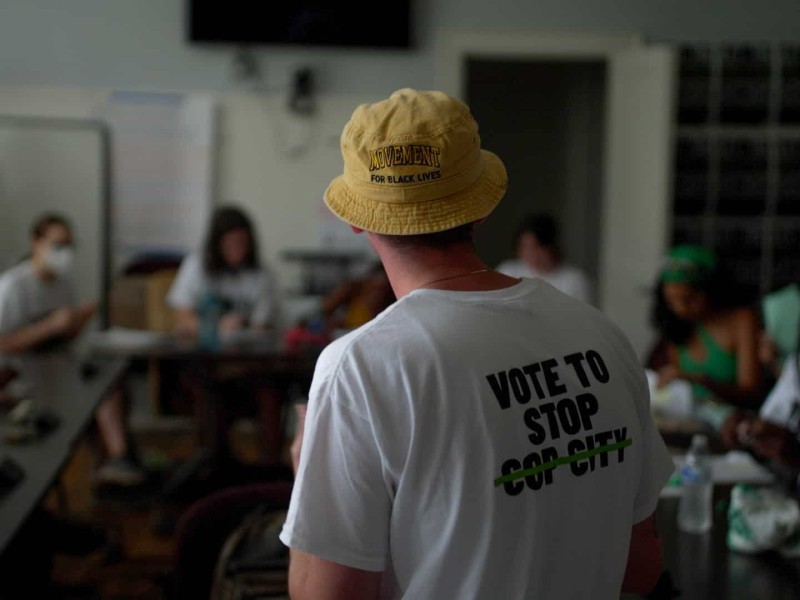

Meet the Atlanta City Council candidates: James White for District 2
As the first formerly incarcerated person in the U.S. to become a prosecutor, District 2 candidate James White III says safer, well-maintained streets should be a priority—not through arrests, but via compassion, prevention and opportunity.

Fate of Fulton’s Atlanta City Detention Center lease withdrawal further delayed in committee
Several public commenters joined Fulton County Sheriff Patrick Labat in addressing the committee on whether to extend the Atlanta City Detention Center lease or seek alternatives.