Why the House must vote ‘No’ on SB 63: upholding people over profit
Executive Director|Barred Business
For people like Nikita and Catina, Senate Bill 63, which the Georgia State Senate passed on Feb. 1, 2024 and now goes to the House on Tuesday, isn’t at all abstract. It’s about whether they’ll be able to help their kids with homework; whether they’ll be able to have their baby in a community hospital surrounded by their loved ones; and whether they’ll be able, before they’ve even been convicted of a crime, to go back to their jobs, neighborhoods, and houses of worship. If we want people who’ve been arrested to be productive members of a safe community, the process starts with bail—not with months and even years in jail waiting for a trial.
SB 63 makes this practically impossible. This legislation proposes an expansion of wealth-based detention and imposes restrictions on the ability of organizations to provide charitable bail for more than three people annually. It’s good for the bonding industry, but not for the vast majority of people arrested who cannot afford more than a minimal amount of bail. It’s also not good for Georgia. It highlights and threatens to widen income disparities for Georgians and makes a mockery of the idea that everyone receives equitable treatment under the law. It tells registered nonprofit organizations that they cannot use their money for a legal purpose, like providing bail for someone who can’t afford it. Under SB 63, the State would prefer to use your tax dollars to keep people in pre-trial detention.
Senate Bill 63 will further damage Georgia’s overburdened jail system by increasing the number of people held in jail pre-trial, and therefore multiplying overcrowding issues. As seen in facilities like the Fulton County Jail, which has had several tragic deaths, the human cost of such overcrowding is alarmingly high.
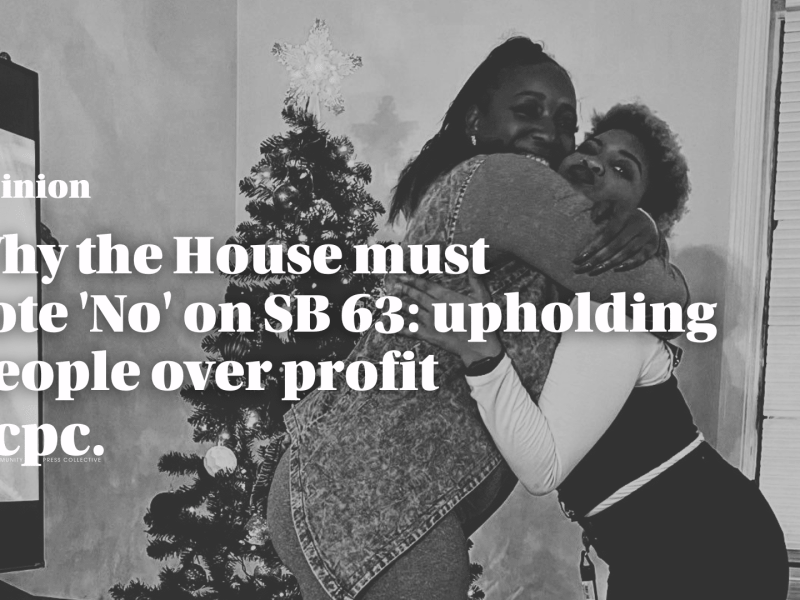
In our work at Barred Business, we’ve seen the human face of how policies like SB 63 cause harm. Take the story of Nikita Thomas, whom Barred Business, alongside National Bail Out and FAAM, helped two years ago, when her bail was set at an astonishing $300,000. Without our community’s effort, Nikita would not have had the chance to reunite with her family. Since her bail out, Nikita has exemplified the transformative power of community support. After facing indefinite detention that might have lasted for months or even years, she not only reclaimed her life but thrived, earning three raises and training as an estimator. Now, she actively participates in bailing out other mothers, reinforcing the cycle of community empowerment. If SB 63 passes, it threatens to dismantle such support structures, jeopardizing the progress and stability of many who, like Nikita, rely on community-based interventions over a cash-dependent system. Catina, another mother we assisted through Black Mamma’s day bailout, was pregnant in jail and suffered from black mold exposure in her lungs. Her story and the unfortunate deaths of others underscore the urgent need for legislation that considers the well-being and rights of all people. SB 63 would preclude a judge from showing compassion to people in need of unsecured judicial relief to receive medical care and other critical services.
For four years, I have led Barred Business, an organization led by justice-impacted people working to heal, activate, resource, and build power and self-determination among justice-impacted people, our loved ones and our communities. We have helped more than 35 mothers reunite with their babies in time for Mothers Day. As a justice-impacted individual, I have transformed personal challenges into community leadership. Our STABLE reentry program not only liberates mothers, but offers them stability and empowerment through housing, skills, and entrepreneurial training. With an impressive success rate of over 80%, our STABLE program demonstrates the profound impact of second chances. However, bills like SB 63 threaten these opportunities, potentially denying many women, including myself, the chance to rebuild and contribute positively to our communities.
Senate Bill 63’s provisions regarding bail funds could significantly impact community-led initiatives. The bill sets a limit on the number of cash bonds any individual or organization can post in a jurisdiction, capping it at three per year. Its expansion of the cash bail system represents not just a policy shift, but a deepening of a fundamentally flawed system. It profits from the incarceration of those less financially fortunate and disproportionately affects marginalized communities, transforming what should be a tool of justice into one of economic suppression. To be clear, this bill is not a blanket ban on bail: wealthy individuals can still secure their release. Rather, it specifically targets the poor, perpetuating a system where financial status, rather than public safety, dictates one’s freedom before trial.
As SB 63 heads to the House, it’s crucial to consider its wider implications. This decision transcends policy—it’s about the society we strive to build. We must choose between perpetuating economic discrimination and aspiring for a justice system rooted in fairness and equality. What’s more, we should not punish nonprofit organizations by threatening criminal penalties for answering calls to lend aid to fellow human beings.
For our communities, families, and fundamental rights, the House must decisively vote ‘No’ on SB 63 on Tuesday. We must commit to prioritizing justice and equity, ensuring that our legislative actions reflect a dedication to the well-being and rights of all citizens.
No paywall. No corporate sponsors. No corporate ownership.
Help keep it that way by becoming a monthly donor today.
Free news isn’t cheap to make.
To support Barred Business head to: https://www.barredbusiness.org/copy-of-take-action
Related Articles


Meet the Atlanta City Council candidates: James White for District 2
As the first formerly incarcerated person in the U.S. to become a prosecutor, District 2 candidate James White III says safer, well-maintained streets should be a priority—not through arrests, but via compassion, prevention and opportunity.

Fate of Fulton’s Atlanta City Detention Center lease withdrawal further delayed in committee
Several public commenters joined Fulton County Sheriff Patrick Labat in addressing the committee on whether to extend the Atlanta City Detention Center lease or seek alternatives.